Forty-Seven Ronin Die: Loyalty Fulfills Samurai Code
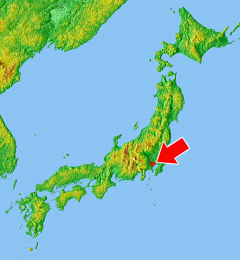
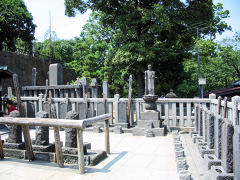
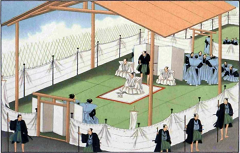
Forty-six samurai cut open their own stomachs on February 4, 1703, fulfilling a code of loyalty that had consumed two years of their lives and would define Japanese honor culture for centuries. The ronin, masterless warriors who had secretly plotted revenge for the forced ritual suicide of their lord Asano Naganori, had stormed the Edo mansion of the court official Kira Yoshinaka six weeks earlier, killed him, and presented his severed head at Asano’s grave. The Tokugawa shogunate then ordered them to commit seppuku. The vendetta originated on April 21, 1701, when Lord Asano drew his sword inside Edo Castle and attacked Kira, who had allegedly insulted and humiliated him during preparations for a reception of imperial envoys. Drawing a weapon inside the shogun’s castle was a capital offense. Asano was ordered to commit seppuku that same day, his lands were confiscated, and his family was dispossessed. Kira, despite his provocations, received no punishment. The asymmetry enraged Asano’s samurai retainers, who became ronin overnight. Their leader, Oishi Yoshio, organized the conspiracy with extraordinary patience. To avoid suspicion, the ronin scattered across Japan and adopted disguises. Oishi moved to Kyoto and pretended to become a dissolute drunk, frequenting brothels and taverns to convince Kira’s spies he was harmless. On the night of January 30, 1703, the forty-seven ronin reassembled, armed themselves, and attacked Kira’s heavily guarded residence in a coordinated assault. They found the elderly official hiding in a charcoal storage shed and offered him the chance to die honorably by his own hand. When he refused, they beheaded him. The shogunate faced a dilemma: the ronin had upheld the samurai code of loyalty but had also violated the law against private vengeance. The compromise was seppuku rather than execution, preserving their honor. They were buried beside their master at Sengakuji Temple. The story became Japan’s most celebrated tale of loyalty, retold endlessly in kabuki theater, literature, and film under the title Chushingura.
February 4, 1703
323 years ago
Key Figures & Places

What Else Happened on February 4
Septimius Severus died in York, England, on February 4, 211 AD, after spending his final years campaigning in Britain and trying to conquer Scotland. His last w…
Septimius Severus died at Eboracum while readying his legions for a final push against the Caledonians. His passing left the Roman Empire in the hands of his fe…
Yazid ibn Abi Sufyan commanded 3,000 cavalry against a Christian Arab garrison near Gaza. The defenders were Ghassanids — Arabs who'd fought for Byzantium for g…
Zhao Kuangyin's troops staged a mutiny and draped a yellow robe over him while he slept. That was the story anyway. He'd been a general for the six-year-old emp…
Zhao Kuangyin's troops got him drunk, dressed him in yellow imperial robes while he slept, and declared him emperor when he woke up on February 4, 960. He hadn'…
A massive earthquake shattered the Ionian coast of Sicily, leveling Catania and claiming tens of thousands of lives. The disaster forced a complete reconstructi…
Talk to History
Have a conversation with historical figures who witnessed this era. Ask questions, explore perspectives, and bring history to life.