

1948 Olympics Open in London: The Austerity Games After WWII
London hosted the first Summer Olympics since 1936, breaking a twelve-year silence caused by World War II. This event restored international athletic competition and signaled a global shift toward peace and cooperation after years of conflict.
July 29, 1948
78 years ago
Key Figures & Places
London
Wikipedia
Berlin
Wikipedia
World War II
Wikipedia
Olympic Games
Wikipedia
1948 Summer Olympics
Wikipedia
Summer Olympics
Wikipedia
1936 Summer Olympics
Wikipedia
Summer Olympic Games
Wikipedia

Olympic Games
Wikipedia

1948 Summer Olympics
Wikipedia

Summer Olympic Games
Wikipedia

1936 Summer Olympics
Wikipedia

Juegos Olímpicos de Tokio 2020
Wikipedia
Alessandra Perilli
Wikipedia

San Marino
Wikipedia

World War II
Wikipedia

Berlin
Wikipedia
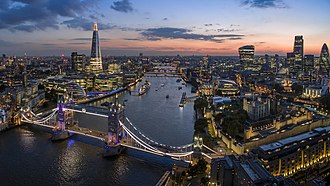
London
Wikipedia
What Else Happened on July 29
Nebuchadnezzar II’s forces breached the walls of Jerusalem, systematically dismantling the First Temple and deporting the city’s elite to Babylon. This destruct…
Gordien III est proclamé empereur de Rome.
The Praetorian Guard broke into the palace and found two emperors arguing. Pupienus and Balbinus had ruled Rome together for 99 days, spending most of it feudin…
Twelve years old and they handed him a collapsing kingdom. K'inich Janaab Pakal became ajaw of Palenque on July 29, 615, after enemies had sacked the city and k…
Beginn der eigentlichen Belagerung von Konstantinopel durch die Awaren und Sasaniden, nachdem am 29. Juni bereits eine awarische Vorhut die Gegend um die Stadt …
Twenty-two thousand residents of Thessaloniki were chained together and marched to slave markets across the Caliphate—the largest single human haul from a Byzan…
Talk to History
Have a conversation with historical figures who witnessed this era. Ask questions, explore perspectives, and bring history to life.