

Euro Born: European Exchange Rates Frozen Forever
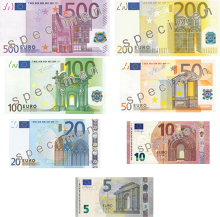
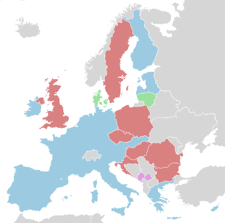
At midnight on December 31, 1998, the exchange rates of eleven European national currencies were permanently fixed against one another and against a new unit called the euro, completing the most ambitious monetary experiment since the creation of the U.S. dollar. The German mark, French franc, Italian lira, Spanish peseta, and seven other currencies became denominations of a single money, though physical euro coins and banknotes would not enter circulation until January 1, 2002. The European Central Bank in Frankfurt assumed control of monetary policy for 290 million people across eleven sovereign nations. The path to the euro stretched back decades. French and German leaders had discussed monetary union since the 1960s to bind their economies so tightly that another war would be impossible. The 1992 Maastricht Treaty established the convergence criteria that countries had to meet: inflation rates, government deficits, debt levels, and interest rates all had to fall within specified bands. Meeting these criteria required painful austerity measures that provoked widespread public opposition, particularly in Italy and Spain. The logic was compelling: a single currency would eliminate exchange rate risk, cut transaction costs, and create a market rivaling America. Critics, led by Milton Friedman and British Eurosceptics, warned that monetary union without fiscal union was inherently unstable, leaving countries unable to devalue their currency during economic shocks. The critics were vindicated by the 2010 sovereign debt crisis, when Greece, Ireland, Portugal, Spain, and Cyprus required massive bailouts. The eurozone survived at enormous social cost, with youth unemployment exceeding 50 percent in Greece and Spain. The euro is now the world second most traded currency, used by 340 million people across twenty countries, and whether its benefits outweigh the loss of national monetary sovereignty remains Europe most contentious economic question.
December 31, 1998
28 years ago
Key Figures & Places



What Else Happened on December 31
A coalition of Vandals, Alans, and Suebians shattered the frozen Rhine, surging into Gaul to dismantle Roman authority in the West. This breach proved irreversi…
Belisarius took Syracuse without a siege. The Ostrogothic garrison saw his fleet, counted the soldiers, and simply surrendered the keys. He'd conquered the enti…
Vikings crash into Berkshire's forces at Englefield, only to stumble back toward Reading after Æthelwulf's men slaughter many Danes. This sharp defeat buys Wess…
Henry IV surrendered his crown at Ingelheim after his own son, Henry V, led a successful rebellion against him. This forced abdication ended the elder Henry’s d…
The boy emperor Tran Thai Tong took the Vietnamese throne through marriage to the last Ly monarch, ending 216 years of Ly Dynasty rule. The new Tran Dynasty wou…
The Muslim defenders had held out for three months behind Palma's walls. When they finally opened the gates on December 31, James I rode in with 16,000 men — ne…
Talk to History
Have a conversation with historical figures who witnessed this era. Ask questions, explore perspectives, and bring history to life.