

Gadsden Purchase: US Buys the Last Piece of the Continental Map
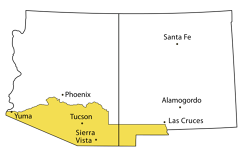
The United States bought a strip of land from Mexico specifically to clear the path for a southern transcontinental railroad. This acquisition secured the final route needed to connect California to the rest of the nation, accelerating western expansion and trade.
December 30, 1853
173 years ago
Key Figures & Places

United States
Wikipedia
Mexico
Wikipedia
railroad
Wikipedia
Gadsden Purchase
Wikipedia
Southwestern United States
Wikipedia
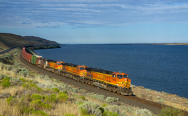
railway
Wikipedia

Gadsden Purchase
Wikipedia

Rail transport
Wikipedia

Southwestern United States
Wikipedia

United States
Wikipedia

Tim Smyczek
Wikipedia

Tennis
Wikipedia

Dathan Ritzenhein
Wikipedia

Atletismo
Wikipedia

Scientology
Wikipedia

AT&T
Wikipedia
Monopoly
Wikipedia

History of the United States
Wikipedia

History of Mexico
Wikipedia

Arizona
Wikipedia

New Mexico
Wikipedia

Jair Bolsonaro
Wikipedia

Luiz Inácio Lula da Silva
Wikipedia
Mexico
Wikipedia

Democratic Republic of Vietnam
Wikipedia

Vietnam War
Wikipedia
What Else Happened on December 30
entrée en vigueur du Code de Justinien, qui acquiert force de loi dans tout l'Empire romain d'Orient.
The first edition lasted exactly one year. Justinian scrapped it completely—too many contradictions, too many loopholes left by a thousand years of Roman law st…
King Brian Boru shatters the allied armies of Leinster and Dublin at Glenmama, ending their resistance to his rule. This crushing victory secures Munster's domi…

Joseph ibn Naghrela wasn't just any vizier — he was the most powerful Jew in Muslim Spain, commanding armies and collecting taxes for Granada's Berber king. Tha…
violent tremblement de terre, à Antioche assiégée par les troupes de la Première croisade, ressenti jusqu'à Edesse, en Grèce.
É eleito o Papa Inocêncio VI.
Talk to History
Have a conversation with historical figures who witnessed this era. Ask questions, explore perspectives, and bring history to life.