

Galileo Observes Neptune But Doesn't Realize It's a Planet
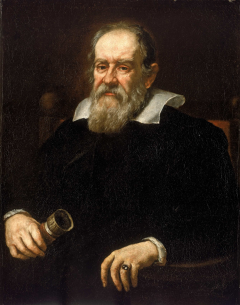
Galileo saw it. Twice. December 28, 1612, then again January 28, 1613 — Neptune right there in his telescope, moving against the background stars near Jupiter. But he marked it down as "fixed star" in his notebooks and moved on. He was tracking Jupiter's moons, the discovery that had made him famous, and this dim dot didn't fit his mission. The math wouldn't exist for another 233 years to predict where Neptune should be. When astronomers finally calculated its position in 1846, they checked old records. There was Galileo's notation: an unnamed star that shouldn't have been there. He'd held the discovery in his hands and set it back down.
December 28, 1612
414 years ago
Key Figures & Places

What Else Happened on December 28
The priests picked two popes at once. Eulalius grabbed the Lateran Palace at dawn. Boniface's crew seized another church across town. Both claimed legitimate el…
The army chose him in the ruins. Majorian had been a general under Aetius — watched his mentor get assassinated, survived the purges, kept his soldiers loyal. N…
A general nobody wanted becomes the last hope. Majorian took power with Leo's blessing from Constantinople — rare unity between east and west. He wasn't born to…
Alaric II inherits a Visigothic kingdom stretching from the Loire to Gibraltar — the largest Germanic realm in the West. His father Euric had forged it through …
A massive earthquake leveled the medieval Armenian capital of Dvin, killing an estimated 30,000 residents and burying the city’s grand cathedral under rubble. T…

Edward the Confessor consecrates Westminster Abbey, establishing a royal church that becomes the permanent coronation site for English monarchs and the burial p…
Talk to History
Have a conversation with historical figures who witnessed this era. Ask questions, explore perspectives, and bring history to life.