

Westminster Abbey Consecrated: England's Coronation Church
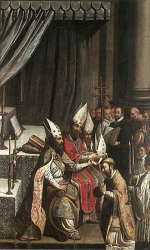
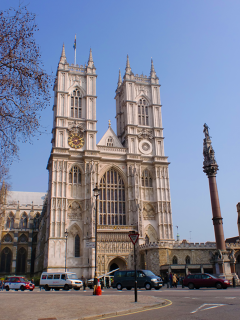
Edward the Confessor consecrates Westminster Abbey, establishing a royal church that becomes the permanent coronation site for English monarchs and the burial place of kings and queens for nearly a thousand years. This act transforms the building into the enduring stage for British monarchy rituals, securing its role as the spiritual heart of the nation's political life.
December 28, 1065
961 years ago
Key Figures & Places



What Else Happened on December 28
The priests picked two popes at once. Eulalius grabbed the Lateran Palace at dawn. Boniface's crew seized another church across town. Both claimed legitimate el…
The army chose him in the ruins. Majorian had been a general under Aetius — watched his mentor get assassinated, survived the purges, kept his soldiers loyal. N…
A general nobody wanted becomes the last hope. Majorian took power with Leo's blessing from Constantinople — rare unity between east and west. He wasn't born to…
Alaric II inherits a Visigothic kingdom stretching from the Loire to Gibraltar — the largest Germanic realm in the West. His father Euric had forged it through …
A massive earthquake leveled the medieval Armenian capital of Dvin, killing an estimated 30,000 residents and burying the city’s grand cathedral under rubble. T…
les chevaliers teutoniques signent la charte de fondation de Toruń et Chełmno.
Talk to History
Have a conversation with historical figures who witnessed this era. Ask questions, explore perspectives, and bring history to life.