

Indian Ocean Tsunami: 230,000 Die in Devastation
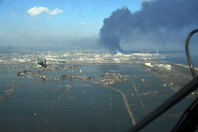
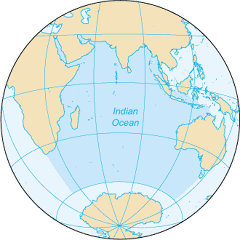
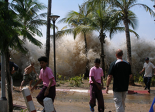
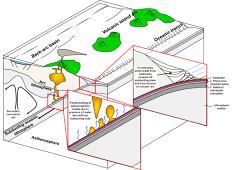
The seafloor off the coast of Sumatra ruptured along a 900-mile fault line at 7:58 AM local time on December 26, 2004, unleashing a magnitude 9.1 earthquake that released the energy equivalent of 23,000 Hiroshima bombs and triggered a series of tsunamis that killed approximately 230,000 people across fourteen countries. The disaster struck without warning because the Indian Ocean, unlike the Pacific, had no tsunami detection system in place. The earthquake occurred where the Indian tectonic plate subducts beneath the Burma plate, at a depth of roughly 19 miles below the ocean floor. The rupture propagated northward at 1.7 miles per second over a period of ten minutes, displacing massive volumes of water across the entire width of the Indian Ocean. Waves traveled outward at speeds up to 500 miles per hour, the speed of a jet airliner, arriving at the coast of Sumatra within thirty minutes, at Sri Lanka and eastern India within two hours, and at the coast of East Africa seven hours later. Indonesia suffered the greatest devastation. The city of Banda Aceh, nearest the epicenter, was virtually obliterated, with waves reaching heights of 100 feet in some coastal areas. Sri Lanka lost over 30,000 people, India nearly 18,000, and Thailand over 8,000, including thousands of foreign tourists on beach holidays. Entire fishing communities were erased from coastlines across the region. The total economic damage exceeded $15 billion. The international humanitarian response was unprecedented in scale, with over $14 billion in aid pledged by governments, organizations, and individuals worldwide. The disaster directly led to the creation of the Indian Ocean Tsunami Warning System, operational since 2006, which uses a network of seismographic stations, ocean floor pressure sensors, and coastal tide gauges to provide alerts within minutes of a seismic event. The Boxing Day tsunami remains the deadliest natural disaster of the twenty-first century.
December 26, 2004
22 years ago
Key Figures & Places





What Else Happened on December 26
A Roman priest nobody expected. Leo III won the papal election while his predecessor wasn't even cold in the ground — chosen by popular acclaim, not the usual p…
Berengar I seized the Iron Crown of Lombardy at Pavia, securing his rule over Italy through a decisive election by Lombard lords. This coronation solidified his…
Stephen seized the throne while his cousin Matilda was still abroad. He rushed to Winchester, grabbed the royal treasury, and convinced the Archbishop of Canter…
Holland’s forces crushed the Utrecht army at the Battle of Westbroek, ending the Bishopric of Utrecht’s military threat to the County of Holland. This victory c…
David of Burgundy's army of 4,000 to 5,000 soldiers crushed the armed mob from Utrecht on December 26, 1481, ending their attempt to avenge the Westbroek massac…
Robert Carr and Frances Howard wed in a lavish court ceremony, finalizing a scandalous union that had required the annulment of Howard’s previous marriage. John…
Talk to History
Have a conversation with historical figures who witnessed this era. Ask questions, explore perspectives, and bring history to life.