

Kingdom of Hungary Founded by Stephen I: Christmas Coronation
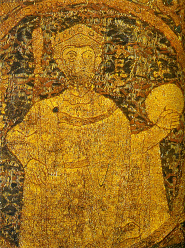
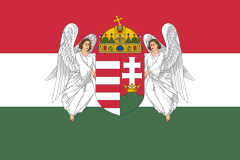
Stephen I received his crown from Pope Sylvester II and established Hungary as a Christian kingdom on Christmas Day in the year 1000. This act aligned the Magyar nation with Western Christendom rather than the Byzantine East, securing papal recognition and embedding Hungary into the political and cultural fabric of medieval Europe for the next millennium.
December 25, 1000
1026 years ago
Key Figures & Places




What Else Happened on December 25
A escolha de 25 de dezembro é uma convenção, o dia exato do nascimento de Jesus é desconhecido. Esta data, não corresponde à cronologia histórica porque este te…
Wu Han's forces crush the separatist Chengjia empire, ending its rebellion and restoring imperial unity under Emperor Guangwu. This decisive victory solidifies …
Emperor Aurelian dedicated a grand temple to Sol Invictus in Rome, formalizing the sun god as the supreme deity of the Roman Empire. By elevating this solar cul…
Aurelian built his temple to the Unconquered Sun on December 25th for a reason. Rome had fractured into three empires, barbarians pushed at every border, and si…
Constantine had three sons. He'd already made two of them Caesars — power-sharing emperors-in-waiting. Now his youngest, Constans, just seven years old, got the…
The Chronography of 354 records the first known Roman celebration of Jesus’s birth on December 25. This date eventually standardized the liturgical calendar acr…
Talk to History
Have a conversation with historical figures who witnessed this era. Ask questions, explore perspectives, and bring history to life.