De Klerk Lifts Ban: Mandela Freed, Apartheid Crumbles
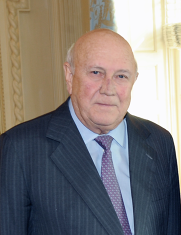
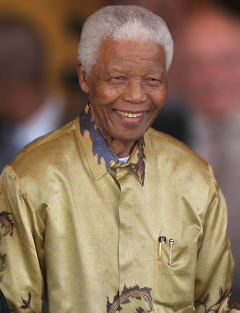
F.W. de Klerk stood before the South African Parliament on February 2, 1990, and in a thirty-minute speech dismantled the legal framework of apartheid. He lifted the bans on the African National Congress, the South African Communist Party, and thirty-one other anti-apartheid organizations. He announced the imminent release of Nelson Mandela. He suspended executions. Members of his own National Party sat in stunned silence. The ANC leadership, listening on smuggled radios, did not believe what they were hearing. De Klerk had been president for less than five months, and nothing in his political background suggested radicalism. He was a conservative Afrikaner lawyer from a family of National Party politicians. His brother Willem was more liberal; F.W. had been considered the establishment choice, a man who would manage apartheid more efficiently rather than dismantle it. What changed his calculus was a convergence of pressures: international sanctions were strangling the economy, the Cold War’s end had eliminated the communist threat that justified white minority rule, and the townships were becoming ungovernable. The speech caught nearly everyone off guard. The ANC had expected incremental reforms, not wholesale capitulation. Conservative Afrikaners accused de Klerk of treason. The international community, which had spent decades pressuring South Africa, scrambled to respond. Nine days later, on February 11, Nelson Mandela walked out of Victor Verster Prison after twenty-seven years, into a crowd of thousands and a live global television audience. The transition to democracy took another four years of negotiations, political violence, and constitutional bargaining. But the February 2 speech was the hinge moment. Once the bans were lifted and Mandela freed, there was no path back to white minority rule. De Klerk and Mandela shared the Nobel Peace Prize in 1993. South Africa held its first fully democratic elections on April 27, 1994.
February 2, 1990
36 years ago
Key Figures & Places
What Else Happened on February 2
Alaric II published a law code in 506 that wasn't for his own people. The Visigoths had their own customs. But they ruled over millions of Romans in southern Ga…
Rodrigo of Castile marched to the Morcuera gorge near Miranda de Ebro with combined Christian forces. He was counting on the terrain — narrow passes, defensible…
Louis III rode into Saxony with the Frankish army in 880. He was 18. The Norse Great Heathen Army had been raiding the region for months, and Louis wanted them …
Otto I rescued Pope John XII from a hostile Roman aristocratic faction, then showed up in Rome expecting payment for the favor. The pope crowned him Holy Roman …
Conrad II secured the crown of Burgundy after the death of his childless uncle, King Rudolf III. By absorbing this kingdom into the Holy Roman Empire, he gained…
King Stephen walked into Lincoln Castle to settle a property dispute. He walked out in chains. His own cousin, Matilda, had trapped him there with a surprise ar…
Talk to History
Have a conversation with historical figures who witnessed this era. Ask questions, explore perspectives, and bring history to life.