

Treaty of Guadalupe Hidalgo Signed: Mexico Loses Half Its Territory
Mexico and the United States sign the Treaty of Guadalupe Hidalgo to end the Mexican-American War, compelling Mexico to cede over half its territory including present-day California, Nevada, Utah, and parts of Arizona, New Mexico, Colorado, and Wyoming. This massive land transfer solidified U.S. dominance across the continent while leaving a deep demographic and cultural imprint on the Southwest that persists today.
February 2, 1848
178 years ago
Key Figures & Places
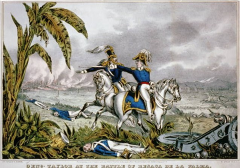
Mexican-American War
Wikipedia
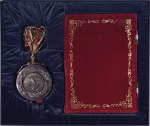
Treaty of Guadalupe Hidalgo
Wikipedia
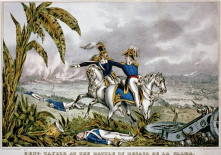
Mexican–American War
Wikipedia

Mexican–American War
Wikipedia

Treaty of Guadalupe Hidalgo
Wikipedia
Mexico
Wikipedia

California
Wikipedia

Arizona
Wikipedia

Nevada
Wikipedia

Utah
Wikipedia

Colorado
Wikipedia

New Mexico
Wikipedia

Wyoming
Wikipedia

Río Bravo
Wikipedia

Texas
Wikipedia

United States
Wikipedia
What Else Happened on February 2
Alaric II published a law code in 506 that wasn't for his own people. The Visigoths had their own customs. But they ruled over millions of Romans in southern Ga…
en Oviedo es coronado el rey Ordoño I.
Rodrigo of Castile marched to the Morcuera gorge near Miranda de Ebro with combined Christian forces. He was counting on the terrain — narrow passes, defensible…
Louis III rode into Saxony with the Frankish army in 880. He was 18. The Norse Great Heathen Army had been raiding the region for months, and Louis wanted them …

Otto I saved the Pope from a Roman mob, then showed up in Rome expecting payment. Pope John XII crowned him Holy Roman Emperor on February 2, 962. The title had…
Conrad II secured the crown of Burgundy after the death of his childless uncle, King Rudolf III. By absorbing this kingdom into the Holy Roman Empire, he gained…
Talk to History
Have a conversation with historical figures who witnessed this era. Ask questions, explore perspectives, and bring history to life.