Selkirk Rescued: The Real Robinson Crusoe Saved
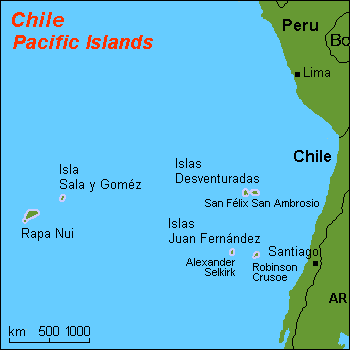
Alexander Selkirk had been alone on a Pacific island for four years and four months when two English privateering ships appeared on the horizon in February 1709. The Scottish sailor, marooned on Mas a Tierra in the Juan Fernandez archipelago off the coast of Chile, had survived by hunting feral goats, eating wild turnips, and fighting off rats that gnawed at his feet while he slept. When the rescue party rowed ashore, they found a man dressed in goatskins who could barely form coherent English sentences. Selkirk had chosen his exile. In October 1704, serving as sailing master aboard the privateer Cinque Ports, he demanded to be put ashore rather than continue sailing in a ship he believed was rotting and unseaworthy. Captain Thomas Stradling obliged, leaving Selkirk with a musket, gunpowder, a knife, a Bible, and basic tools. The Cinque Ports subsequently sank off the coast of Colombia, vindicating Selkirk’s judgment but leaving him stranded 400 miles from the nearest inhabited coast. The first months were the worst. Selkirk later told rescuer Woodes Rogers that loneliness nearly drove him mad. He sang psalms to maintain his sanity. He built two huts from pimento trees, tamed feral cats to protect himself from rats, and chased goats across the island’s volcanic ridges until he could outrun them barefoot. He carved notches in a tree to track the days. His feet became so calloused he could walk across sharp rocks without pain. Rogers, commanding the privateer Duke, brought Selkirk aboard and made him the ship’s mate. Selkirk proved an excellent sailor for the rest of the voyage. His story was published by Rogers in 1712 and reached Daniel Defoe, who transformed it into Robinson Crusoe in 1719, one of the first English novels and a founding text of survival literature. Selkirk himself never adjusted to civilization and died at sea in 1721, having apparently preferred the ocean to any shore.
February 2, 1709
317 years ago
Key Figures & Places
What Else Happened on February 2
Alaric II published a law code in 506 that wasn't for his own people. The Visigoths had their own customs. But they ruled over millions of Romans in southern Ga…
Rodrigo of Castile marched to the Morcuera gorge near Miranda de Ebro with combined Christian forces. He was counting on the terrain — narrow passes, defensible…
Louis III rode into Saxony with the Frankish army in 880. He was 18. The Norse Great Heathen Army had been raiding the region for months, and Louis wanted them …
Otto I rescued Pope John XII from a hostile Roman aristocratic faction, then showed up in Rome expecting payment for the favor. The pope crowned him Holy Roman …
Conrad II secured the crown of Burgundy after the death of his childless uncle, King Rudolf III. By absorbing this kingdom into the Holy Roman Empire, he gained…
King Stephen walked into Lincoln Castle to settle a property dispute. He walked out in chains. His own cousin, Matilda, had trapped him there with a surprise ar…
Talk to History
Have a conversation with historical figures who witnessed this era. Ask questions, explore perspectives, and bring history to life.