

Washington Resigns as Commander: The General Becomes a Citizen
Washington walked into the Maryland State House with the kind of power that usually ends in a crown. Commander of the victorious army. Hero to millions. Congress waiting. He pulled a speech from his pocket—hands shaking so badly he needed both to hold the paper—and quit. Just gave it back. King George III heard the news in London and said if Washington really did that, "he will be the greatest man in the world." The room in Annapolis was so small you could barely fit the delegates. But that smallness mattered. Washington refused a military ceremony, insisted on a civilian space, Congress in charge. He returned to Mount Vernon by Christmas. The precedent held. Forty-four presidents later, every American general still answers to a civilian.
December 23, 1783
243 years ago
Key Figures & Places
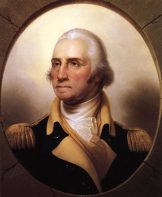
Continental Army
Wikipedia
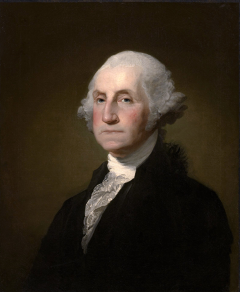
George Washington
Wikipedia

Commander-in-Chief
Wikipedia

Annapolis, Maryland
Wikipedia

Maryland State House
Wikipedia
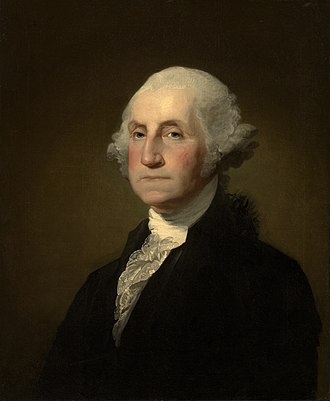
George Washington
Wikipedia
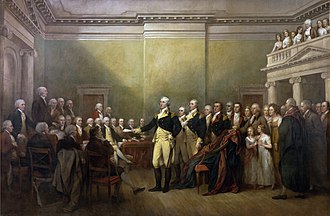
George Washington's resignation as commander-in-chief
Wikipedia

Continental Army
Wikipedia

Maryland State House
Wikipedia

Annapolis, Maryland
Wikipedia

American Revolutionary War
Wikipedia

American Revolution
Wikipedia

Commander-in-chief
Wikipedia
What Else Happened on December 23
Der römische Kaiser Marcus Aurelius und sein Sohn Commodus feiern mit einem Triumphzug in Rom das siegreiche Ende des ersten Markomannenkrieges.
Huneric spent years hunting Catholics across North Africa — burning churches, exiling bishops, confiscating estates. Then he died. His nephew Gunthamund took th…
King Gunthamund ended the systematic persecution of Nicene Christians, reversing the harsh policies of his predecessor, Huneric. By restoring confiscated church…
Chlothar spent 47 years carving up his father's kingdom with his brothers — three civil wars, two murdered nephews, and a burned church full of peasants who bac…
The dome fell in 558 — not from one quake, but aftershocks that kept coming, until 20,000 square feet of Justinian's ceiling crashed down mid-service. No one di…
consécration de la nouvelle basilique Sainte-Sophie de Constantinople.
Talk to History
Have a conversation with historical figures who witnessed this era. Ask questions, explore perspectives, and bring history to life.