

Brandenburg Gate Reopens: Berlin Reunites at Last
Tens of thousands of people surged through the Brandenburg Gate on December 22, 1989, six weeks after the Berlin Wall first cracked open, in a ceremony that formally ended the division of Berlin into hostile halves. West German Chancellor Helmut Kohl and East German Prime Minister Hans Modrow walked together through the gate as fireworks exploded overhead and the crowd chanted "Tor auf!" — open the gate. The Brandenburg Gate had served as the most potent symbol of Cold War division since August 13, 1961, when East German border guards sealed it with concrete barriers and barbed wire during the overnight construction of the Berlin Wall. Built in 1791 as a neoclassical triumphal arch modeled on the entrance to the Athenian Acropolis, it stood in the no-man land of the death strip between East and West, visible from both sides but accessible to neither. Presidents Kennedy and Reagan had both delivered speeches within sight of the gate, with Reagan famously demanding in 1987 that Gorbachev "tear down this wall." The wall had begun falling on November 9 when a confused East German spokesman accidentally announced that travel restrictions were lifted "immediately, without delay." Thousands of Berliners flooded the checkpoints, and overwhelmed border guards stood aside. Over the following weeks, crossing points multiplied, but the Brandenburg Gate remained sealed as a matter of symbolic dispute between the two German governments. The reopening ceremony was both a celebration and a negotiation. Kohl used the occasion to push his vision of rapid reunification, which many in Europe, including British Prime Minister Margaret Thatcher and French President Francois Mitterrand, privately opposed. German reunification was formally completed on October 3, 1990, less than a year later. The Brandenburg Gate, restored and floodlit, now stands as the centerpiece of a reunified Berlin and hosts the largest New Year Eve celebration in Europe each year.
December 22, 1989
37 years ago
Key Figures & Places
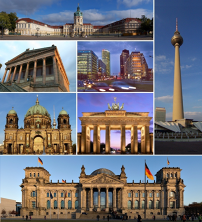
Berlin
Wikipedia
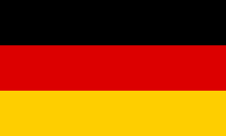
West Germany
Wikipedia
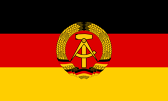
East Germany
Wikipedia
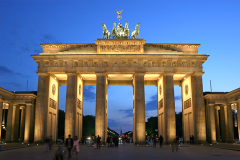
Brandenburg Gate
Wikipedia

German reunification
Wikipedia

Brandenburg Gate
Wikipedia

East Germany
Wikipedia

West Germany
Wikipedia

Berlin
Wikipedia

Otto Hahn
Wikipedia

Nuclear fission
Wikipedia

Berlin Wall
Wikipedia
Wochenpost
Wikipedia
Auflage (Publikation)
Wikipedia
Wochenzeitung
Wikipedia
Die Tänzerin Fanny Elßler
Wikipedia

Johann Strauss II
Wikipedia
Hans Adler (Autor)
Wikipedia
What Else Happened on December 22
Roman soldiers dragged Emperor Vitellius through the streets of Rome before executing him at the Gemonian stairs, ending his chaotic eight-month reign. His viol…
Vespasian's proclamation as emperor ended the chaotic Year of the Four Emperors, while the brutal execution of Vitellius on the Gemonian stairs signaled a decis…
Innocent I walked into the papal chair his father had just left. Anastasius I died in 401. His son took over the same year. No election drama. No debate. The Ro…
The ground beneath the Persian city of Damghan violently fractured, leveling the regional capital and claiming an estimated 200,000 lives. This catastrophe rema…
Huang Chao's rebel army walked into Luoyang without a fight. The eastern capital — home to half a million people, palaces that had stood for centuries — simply …
Stephen of Blois seizes the English throne just three weeks after King Henry I's death, sparking a civil war that fractures the kingdom for nearly two decades. …
Talk to History
Have a conversation with historical figures who witnessed this era. Ask questions, explore perspectives, and bring history to life.