Dreyfus Found Guilty: France's Anti-Semitism Exposed
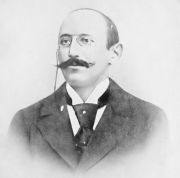
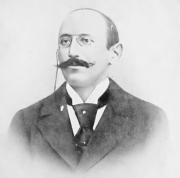
Behind closed doors in a Paris military courtroom, five of seven judges voted to convict Captain Alfred Dreyfus of treason on December 22, 1894, sentencing him to life imprisonment on Devil Island based on evidence that was largely fabricated. The verdict split France into warring factions for over a decade and exposed an anti-Semitic rot at the heart of the French military establishment that would echo through the twentieth century. Dreyfus, the only Jewish officer on the French Army General Staff, had been arrested in October after a cleaning woman working as a spy in the German embassy retrieved a torn letter from a wastebasket suggesting a French officer was passing military secrets. Army investigators, influenced by the prevailing anti-Semitic climate, immediately fixed on Dreyfus despite flimsy handwriting evidence. The military trial was conducted in secret, and the judges were shown a dossier of forged documents that neither Dreyfus nor his attorney were permitted to examine. Two years later, Lieutenant Colonel Georges Picquart discovered that the real traitor was Major Ferdinand Walsin Esterhazy, a debt-ridden officer with documented ties to the German military attache. Rather than correct the injustice, the Army command transferred Picquart to a dangerous post in Tunisia and fabricated additional evidence against Dreyfus. The scandal exploded into public view when novelist Emile Zola published his incendiary open letter "J Accuse" in January 1898, directly accusing the Army of a cover-up. France fractured along political, religious, and class lines. Dreyfus was eventually pardoned in 1899 and fully exonerated in 1906, restored to the Army with a promotion. The affair permanently weakened the French military right, accelerated the 1905 separation of church and state, and catalyzed Theodor Herzl development of modern political Zionism after he witnessed the anti-Semitic mobs screaming "Death to the Jews" outside the courthouse.
December 22, 1894
132 years ago
Key Figures & Places

What Else Happened on December 22
Roman soldiers dragged Emperor Vitellius through the streets of Rome before executing him at the Gemonian stairs, ending his chaotic eight-month reign. His viol…
Vespasian's proclamation as emperor ended the chaotic Year of the Four Emperors, while the brutal execution of Vitellius on the Gemonian stairs signaled a decis…
Innocent I walked into the papal chair his father had just left. Anastasius I died in 401. His son took over the same year. No election drama. No debate. The Ro…
The ground beneath the Persian city of Damghan violently fractured, leveling the regional capital and claiming an estimated 200,000 lives. This catastrophe rema…
Huang Chao's rebel army walked into Luoyang without a fight. The eastern capital — home to half a million people, palaces that had stood for centuries — simply …
Stephen of Blois seizes the English throne just three weeks after King Henry I's death, sparking a civil war that fractures the kingdom for nearly two decades. …
Talk to History
Have a conversation with historical figures who witnessed this era. Ask questions, explore perspectives, and bring history to life.