

Apollo 8 Launches: First Humans to Orbit the Moon
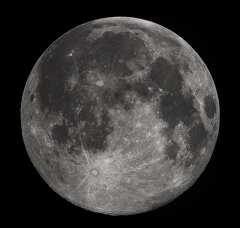
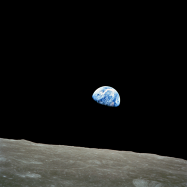
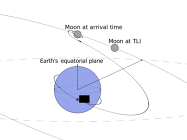
Apollo 8's crew executed the first manned trans-lunar injection, breaking free from Earth's gravity to orbit the Moon just days before Christmas. This bold leap forced humanity to confront our place in the cosmos directly, shifting the space race from orbital mechanics to planetary exploration and setting the stage for the Apollo 11 landing.
December 21, 1968
58 years ago
Key Figures & Places



What Else Happened on December 21
The Roman Senate officially recognized Vespasian as emperor, finally ending the chaotic civil wars of 69 AD. By consolidating power under the Flavian dynasty, h…

Four emperors in twelve months. Rome's throne changed hands faster than anyone could mint new coins — Galba murdered by his own guards, Otho dead by suicide aft…
Papst Innozenz I., tritt sein Amt als Nachfolger seines Vaters Anastasius I. an.
Muslim forces breached the Babylon Fortress after a grueling seven-month siege, dismantling Byzantine control over Egypt. This victory secured the Nile Delta fo…
Pope Honorius II ascended to the papacy after the abrupt resignation of Celestine II, who stepped down mid-ceremony under pressure from the powerful Frangipani …
Lamberto Scannabecchi became Pope Honorius II through pure chaos. Cardinals split between two rivals, then a third faction literally grabbed Lamberto during the…
Talk to History
Have a conversation with historical figures who witnessed this era. Ask questions, explore perspectives, and bring history to life.