

Sino-British Joint Declaration: China Will Get Hong Kong Back in 1997
Deng Xiaoping and Margaret Thatcher signed the Sino-British Joint Declaration in Beijing, formally setting July 1, 1997 as the date for China to resume sovereignty over Hong Kong. This agreement ended decades of British colonial rule and established the "one country, two systems" framework that allowed Hong Kong to retain its distinct legal and economic systems for fifty years after the handover.
December 19, 1984
42 years ago
Key Figures & Places

United Kingdom
Wikipedia

People's Republic of China
Wikipedia
China
Wikipedia
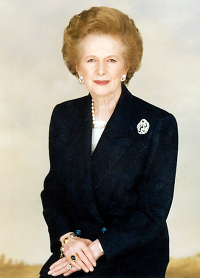
Margaret Thatcher
Wikipedia
Hong Kong
Wikipedia
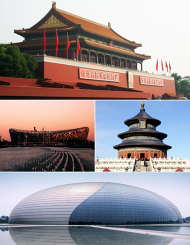
Beijing
Wikipedia
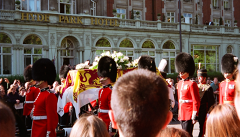
1997
Wikipedia
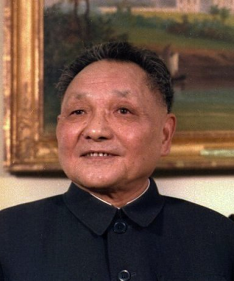
Deng Xiaoping
Wikipedia
July 1
Wikipedia

Sino-British Joint Declaration
Wikipedia

Sino-British Joint Declaration
Wikipedia

Deng Xiaoping
Wikipedia
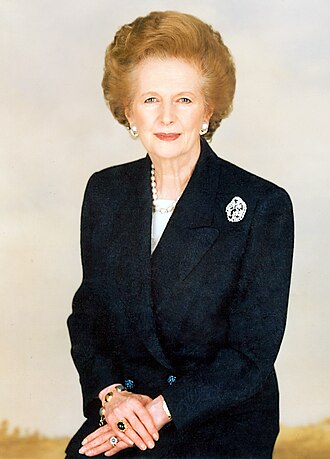
Margaret Thatcher
Wikipedia
Ein Land, zwei Systeme
Wikipedia

China
Wikipedia

British
Wikipedia

Hong Kong
Wikipedia

1997
Wikipedia
What Else Happened on December 19
Caracalla couldn't share power. His brother Geta arrived at their mother's apartments believing the family peace talks were real — he'd left his guards outside.…
Licinius didn't abdicate. He surrendered. Constantine's army had crushed his forces at Chrysopolis — 25,000 of Licinius's men dead in a single afternoon. His w…
En Roma, Licinio abdica de su posición como rey emperador romano.
Byzantine forces dragged Pope Martin I from Rome to Constantinople, where imperial judges subjected the pontiff to a sham trial for opposing Monothelitism. The …
Henry Plantagenet was 21 years old and already controlled more of France than the French king did. His coronation made him ruler of an empire stretching from Sc…
El rey Alfonso VIII otorga las villas de Villasila y Villamelendro a Pedro Rodríguez de Castro en un diploma firmado en Arévalo.
Talk to History
Have a conversation with historical figures who witnessed this era. Ask questions, explore perspectives, and bring history to life.