

SS Massacres 84 American POWs at Malmedy
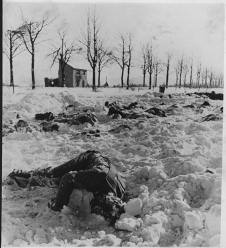
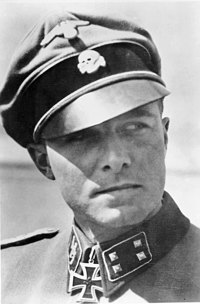
German SS troops lined up captured American soldiers in a snowy Belgian field and opened fire with machine guns. On December 17, 1944, the first day of the Battle of the Bulge, Waffen-SS soldiers of Kampfgruppe Peiper murdered approximately eighty-four American prisoners of war near Malmedy, committing one of the most notorious war crimes on the Western Front. Kampfgruppe Peiper, a battle group of the 1st SS Panzer Division, was the spearhead of the German Ardennes offensive. Led by SS-Obersturmbannfuhrer Joachim Peiper, the unit was tasked with racing to the Meuse River bridges. Speed was everything, and prisoners slowed the advance. Near the Baugnez crossroads south of Malmedy, Peiper's column encountered Battery B of the 285th Field Artillery Observation Battalion. Outgunned, the Americans surrendered. The prisoners were herded into a field beside the road. SS soldiers opened fire with machine guns and pistols. Those who survived the initial volleys and tried to flee were shot individually. Others who feigned death were executed with a pistol to the head. Several dozen Americans survived by lying motionless among the dead or escaping into nearby woods. Their testimony reached American lines within hours. Word of the massacre spread rapidly through Allied forces and had an immediate impact: surrender to SS units became unthinkable for many troops. After the war, seventy-three members of Kampfgruppe Peiper were tried at the Dachau tribunal. Forty-three received death sentences, though all were eventually commuted amid controversy over coerced confessions. Peiper served eleven years before release and was murdered in France in 1976 when his home was firebombed.
December 17, 1944
82 years ago
Key Figures & Places
United States
Wikipedia
Malmedy massacre
Wikipedia
Battle of the Bulge
Wikipedia
Joachim Peiper
Wikipedia
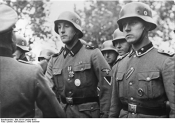
Waffen-SS
Wikipedia

POWs
Wikipedia
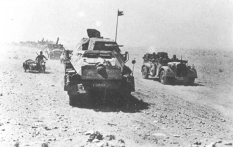
Kampfgruppe
Wikipedia

Battle of the Bulge
Wikipedia

Malmedy massacre
Wikipedia
285th Field Artillery Observation Battalion
Wikipedia

Prisoner of war
Wikipedia

Waffen-SS
Wikipedia

Kampfgruppe
Wikipedia

Joachim Peiper
Wikipedia

World War II
Wikipedia

Schutzstaffel
Wikipedia

Admiral Graf Spee
Wikipedia

Hans Langsdorff
Wikipedia

Battle of the River Plate
Wikipedia
What Else Happened on December 17
Rome's newest festival promised something radical: slaves ate first. For one December day, masters served their own household workers at banquet tables, roles r…
King Totila’s Ostrogothic forces seized Rome after bribing the city’s starving Byzantine garrison to open the gates. This betrayal emptied the city of its inhab…
The garrison commander took Totila's gold and opened the Asinarian Gate at midnight. What followed wasn't a massacre — it was something stranger. Totila's Ostro…
Romanos I Lekapenos secured his grip on the Byzantine throne by crowning himself co-emperor alongside the young Constantine VII. This maneuver sidelined the leg…
William Longsword ruled Normandy for seventeen years, balancing Viking raiders and Frankish lords through careful diplomacy and strategic marriages. On December…
The three Myinsaing brothers topple King Kyawswa of Pagan on December 17, 1297, shattering central authority across the Irrawaddy Valley. This coup fractures th…
Talk to History
Have a conversation with historical figures who witnessed this era. Ask questions, explore perspectives, and bring history to life.