

Truman Declares State of Emergency: Chinese Troops in Korea
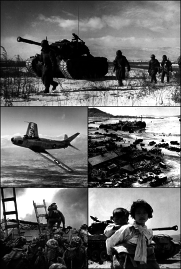
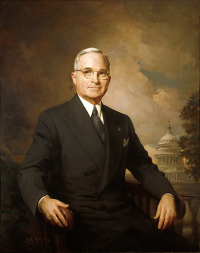
President Truman declared a national emergency after 300,000 Chinese troops poured across the Yalu River and sent UN forces reeling southward in the Korean War's most desperate retreat. The declaration mobilized the American economy onto a war footing, tripling defense spending and expanding the armed forces by 3.5 million within eighteen months.
December 16, 1950
76 years ago
Key Figures & Places



What Else Happened on December 16
The law professors of Constantinople opened two new books and discovered 1,500 years of legal arguments had just been declared obsolete. Justinian's commission …
The most powerful man in Francia died with a succession plan that lasted about five minutes. Pepin of Herstal had united the Frankish kingdoms through thirty ye…

An Lushan commanded 164,000 troops when he declared himself emperor at Yanjing — not against the Tang emperor he'd charmed for years, but against Chancellor Yan…
Octavian, Sohn des einflussreichen Fürsten Alberich II. von Spoleto, wird als Johannes XII. Nachfolger des verstorbenen Papstes Agapitus II.
l'encyclopédiste italien Cecco d'Ascoli, condamné par l'Inquisition, est contraint de quitter Bologne.
Emperor Go-Kameyama surrendered the Imperial Regalia to his rival, Go-Komatsu, ending the sixty-year schism between the Northern and Southern Courts of Japan. T…
Talk to History
Have a conversation with historical figures who witnessed this era. Ask questions, explore perspectives, and bring history to life.