

Thomas Annihilates Hood's Army at Nashville
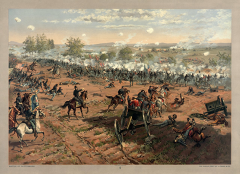
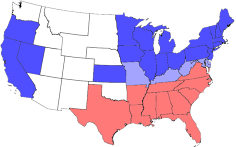
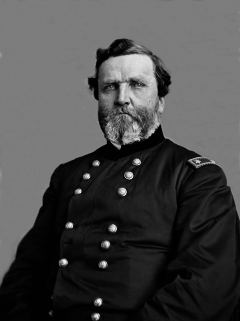
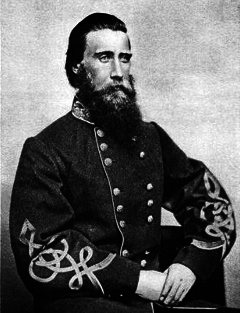
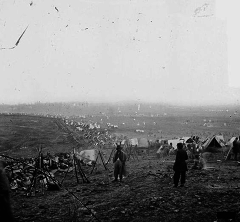
George Thomas did not hurry, and his patience destroyed an army. On December 15-16, 1864, Union forces under Major General Thomas launched a devastating two-day assault against the Confederate Army of Tennessee under John Bell Hood at Nashville, inflicting one of the most complete tactical victories of the Civil War. Hood's army ceased to exist as an effective fighting force. Hood had marched north into Tennessee to draw Sherman back from his March to the Sea. Sherman refused the bait, sending Thomas to deal with Hood while continuing toward Savannah. Thomas assembled 55,000 troops at Nashville while Hood, with barely 30,000 effectives, entrenched on hills south of the city. Washington grew frantic at Thomas's deliberation. Grant sent orders relieving Thomas of command, then countermanded them, then nearly traveled to Nashville himself. Thomas waited for an ice storm to pass, then struck on December 15. Union forces attacked both flanks simultaneously, with the United States Colored Troops fighting with particular distinction on the left. The first day pushed Hood back two miles. On December 16, Thomas attacked again. A coordinated assault on Hood's left shattered the Confederate line, and the Army of Tennessee broke and ran. Nathan Bedford Forrest's cavalry fought a desperate rearguard to prevent total annihilation. Hood lost roughly 6,000 men killed, wounded, and captured, plus thousands more who deserted during the retreat. The Army of Tennessee, one of the Confederacy's two principal field armies, never fought again as a coherent force. Thomas, the methodical Virginian who stayed loyal to the Union, delivered the most complete battlefield victory of the war.
December 15, 1864
162 years ago
Key Figures & Places

What Else Happened on December 15
Byzantine general Belisarius shattered the Vandal army at Tricamarum with a series of cavalry charges that broke King Gelimer's lines and sent the Vandal ruler …
A Syrian refugee's son became pope — chosen by acclaim while two rival factions fought over who bought the job. Sergius refused to pay the Byzantine emperor's d…
The Roman clergy couldn't agree. Two men claimed the papacy at once—Paschal and Theodore—each backed by armed factions in the streets. Neither would yield. For …

Constantine VIII finally assumed sole control of the Byzantine Empire at age sixty-five, after spending sixty-three years as a titular co-emperor overshadowed b…
Emperor Hailing pushed his army south against Song China despite warnings. At Caishi, Song forces crushed his invasion fleet. Back in camp, his own generals wat…
Chancellor Stephen du Perche relocated the Sicilian royal court to Messina to neutralize mounting unrest among the island’s powerful barons. By physically dista…
Talk to History
Have a conversation with historical figures who witnessed this era. Ask questions, explore perspectives, and bring history to life.