

Amundsen Reaches the South Pole: He Beat Scott by 34 Days
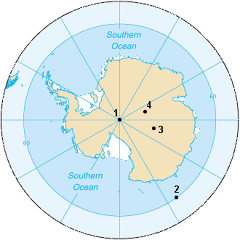
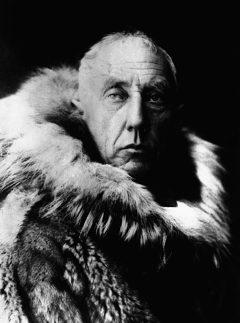
Roald Amundsen's team reached the South Pole on December 14, 1911, beating Robert Scott by over a month through superior dog handling and ski techniques. They established supply depots along the Axel Heiberg Glacier, named their camp Polheim, and left a letter confirming their arrival before returning to Framheim with eleven surviving dogs. This victory secured Norway's place in polar history while exposing the fatal flaws in British expedition planning.
December 14, 1911
115 years ago
Key Figures & Places



What Else Happened on December 14
A massive earthquake shattered Constantinople on this day in 557, tearing deep fissures into the city’s infrastructure and collapsing the original dome of the H…
The ground split open beneath the Hagia Sophia. Constantinople's newest marvel—completed just 20 years earlier—swayed but held. The rest of the city wasn't so l…
Emperor Wenzong hid soldiers behind palace curtains, planted them in trees, stationed them everywhere. The signal: dew on a pomegranate tree he'd show the eunuc…
mariage du roi de Francie occidentale Charles II le Chauve, petit-fils de Charles Ier « Magnus » ou « le Grand » (Charlemagne) avec Ermentrude d'Orléans.
Pope John VIII stepped into a papacy under siege. Vikings raided Rome's outskirts. Muslim fleets controlled the Mediterranean. The Holy Roman Empire was fragmen…
The Zuiderzee sea wall collapsed during a massive storm surge, drowning over 50,000 people across the Netherlands and northern Germany. This disaster permanentl…
Talk to History
Have a conversation with historical figures who witnessed this era. Ask questions, explore perspectives, and bring history to life.