

Columbia Disintegrates on Reentry: Seven Astronauts Lost
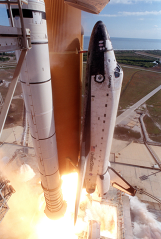
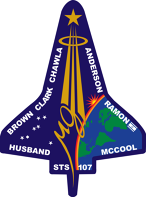
All seven crew members perished when Columbia broke apart during reentry, doomed by a foam strike that punctured the orbiter's thermal shield sixteen days earlier. The disaster grounded the shuttle fleet for over two years and forced NASA to overhaul its safety culture, ultimately accelerating the program's retirement in 2011.
February 1, 2003
23 years ago
Key Figures & Places
STS-107
Wikipedia
Space Shuttle Columbia disaster
Wikipedia

Space Shuttle Columbia
Wikipedia

Space Shuttle Columbia disaster
Wikipedia

STS-107
Wikipedia

Earth
Wikipedia

Space Shuttle
Wikipedia

Rick Husband
Wikipedia

Kalpana Chawla
Wikipedia

William C. McCool
Wikipedia

David M. Brown
Wikipedia

Laurel Clark
Wikipedia

Michael P. Anderson
Wikipedia

Ilan Ramon
Wikipedia

Astronaut
Wikipedia

1959
Wikipedia

1956
Wikipedia
1961
Wikipedia

1957
Wikipedia

1954
Wikipedia
What Else Happened on February 1
King Huneric forced Catholic and Arian bishops into a tense theological debate in Carthage to consolidate Vandal control over North Africa. By attempting to coe…
Herzog Heinrich der Löwe heiratet im Mindener Dom die erst zwölfjährige Mathilde Plantagenet, die Tochter König Heinrichs II. von England.
Die Kreuzfahrerburg Margat in Syrien wird vom Burgherren an den Johanniterorden verkauft, da die Kosten für die Erhaltung seine finanziellen Mittel übersteigen.
A Marinha mais antiga da Lusofonia e também do Mundo existe desde a criação de Portugal mas é esta data que assinala o acordo entre o rei D. Dinis e o genovês M…

Edward III was crowned at fourteen. His mother Isabella and her lover Mortimer ran everything. They'd murdered Edward's father by shoving a red-hot poker throug…
King John of Bohemia was blind. He'd lost his sight in battle years earlier but still led armies across Europe. In 1329, he took Medvėgalis, a Lithuanian fortre…
Talk to History
Have a conversation with historical figures who witnessed this era. Ask questions, explore perspectives, and bring history to life.