

Harry Gold Sentenced for Atomic Espionage: 30 Years
Harry Gold receives a thirty-year sentence for funneling Manhattan Project secrets to the Soviets, a move that directly enables the prosecution of Julius and Ethel Rosenberg through his subsequent testimony. This chain of events transforms a single spy's confession into the legal foundation for one of the most controversial trials of the Cold War era.
December 9, 1950
76 years ago
Key Figures & Places

Soviet Union
Wikipedia
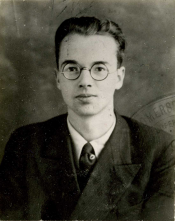
Klaus Fuchs
Wikipedia
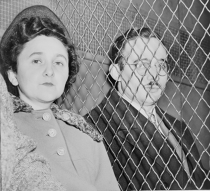
Julius and Ethel Rosenberg
Wikipedia
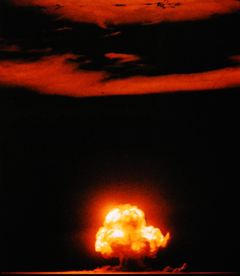
Manhattan Project
Wikipedia
Harry Gold
Wikipedia

Cold War
Wikipedia

Harry Gold
Wikipedia

Klaus Fuchs
Wikipedia

Manhattan Project
Wikipedia

Soviet Union
Wikipedia

Julius and Ethel Rosenberg
Wikipedia

Nikolai Podgorny
Wikipedia
Head of state
Wikipedia

Anastas Mikoyan
Wikipedia

Presidium of the Supreme Soviet of the Soviet Union
Wikipedia
What Else Happened on December 9
Odoacer didn't just take Dalmatia — he bought it. The man who'd deposed Rome's last emperor five years earlier paid 2,000 pounds of gold to quiet rivals, then t…
Odoacre, premier roi d’Italie, occupe la Dalmatie. Il y établit plus tard son pouvoir politique, avec la coopération du Sénat romain.
The gates stood open. No battle, no siege — just an empty city. Belisarius rode into Rome on December 9th with his Byzantine army, and the Ostrogothic garrison …

The gates opened at dawn. Not a sword drawn, not a drop of blood. Belisarius walked into Rome with 5,000 men while the Ostrogothic garrison — outnumbered, under…
bataille du chameau, entre le clan des Quraychites, à La Mecque, et les fidèles d'Ali ibn Abi Talib.
Al-Jarrah ibn Abdallah had crushed rebellions across three continents. Then he rode into the Caucasus foothills with 25,000 men and met the Khazars waiting in t…
Talk to History
Have a conversation with historical figures who witnessed this era. Ask questions, explore perspectives, and bring history to life.