

Belovezha Accords Signed: Russia, Belarus, Ukraine Declare the USSR Dead
Russia, Belarus, and Ukraine leaders signed an agreement dissolving the Soviet Union and establishing the Commonwealth of Independent States. This legal act formally ended the Cold War superpower, instantly shifting global power dynamics and leaving fifteen new nations to navigate independence without Moscow's central control.
December 8, 1991
35 years ago
Key Figures & Places
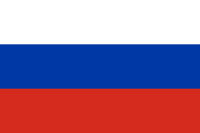
Russia
Wikipedia
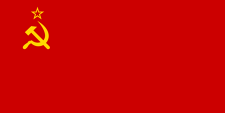
Soviet Union
Wikipedia
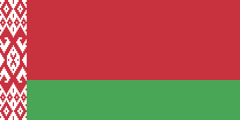
Belarus
Wikipedia
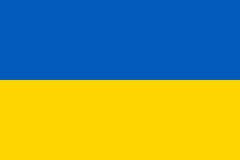
Ukraine
Wikipedia
Commonwealth of Independent States
Wikipedia

Belarus
Wikipedia

Ukraine
Wikipedia

Belovezha Accords
Wikipedia
Soviet Union
Wikipedia

Commonwealth of Independent States
Wikipedia

Union de la Russie et de la Biélorussie
Wikipedia
25 de diciembre
Wikipedia
What Else Happened on December 8
Northern Wei cavalry crushed the Later Yan army at the Battle of Canhe Slope, executing thousands of prisoners to solidify their dominance over northern China. …
Du Fu walked back into Chang'an two years after running for his life. The city had fallen to rebels in 755, forcing the greatest poet of the Tang Dynasty to fle…
Louis the Stammerer ascended to the West Frankish throne at Compiègne, securing the Carolingian hold on a realm fracturing under Viking raids and noble rebellio…
Os Grimaldi, uma família de exilados de origem genovesa, colocam a primeira pedra da praça fortificada (hoje o palácio principesco), atual Mônaco.
Mit der Päpstlichen Bulle Ad conditorem canonum greift Papst Johannes XXII. neuerlich in den Armutsstreit im Franziskanerorden ein. Mit ihr wird die Regelung de…
Der Mainzisch-Hessische Krieg endet. Mit einem Friedensschluss in Frankfurt am Main wird ein zwei Jahrhunderte währender Konflikt um die territoriale Vorherrsch…
Talk to History
Have a conversation with historical figures who witnessed this era. Ask questions, explore perspectives, and bring history to life.