

Congress Declares War on Japan: One Vote Against
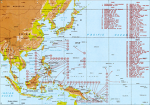
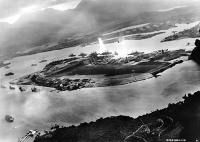
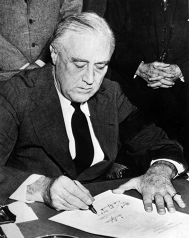
Congress voted to declare war on the Empire of Japan on December 8, 1941, with only one dissenting voice, transforming American anger over Pearl Harbor into the legal authority for total war. President Franklin Roosevelt addressed a joint session in a six-minute speech that framed December 7 as "a date which will live in infamy." The Senate voted 82 to 0. The House voted 388 to 1. The entire process, from Roosevelt's arrival at the Capitol to the signed declaration, took less than an hour. The lone dissenter was Jeannette Rankin of Montana, the first woman elected to Congress and a committed pacifist who had also voted against American entry into World War I in 1917. Rankin's no vote was greeted with hisses from the gallery. She was escorted from the chamber by Capitol police for her own safety. "As a woman I can't go to war, and I refuse to send anyone else," she told reporters. Her stance destroyed her political career but earned her lasting recognition from the peace movement. Roosevelt's war message was deliberately brief, avoiding the detailed diplomatic history that Woodrow Wilson had presented in 1917. He listed Japanese attacks across the Pacific: Malaya, Hong Kong, Guam, the Philippines, Wake Island, and Midway. The strategy was emotional, not analytical. He wanted Congress and the American public to feel the scope of Japanese aggression and respond with unified resolve. The speech worked. Enlistment offices were overwhelmed within hours. The declaration against Japan did not immediately bring the United States into war with Germany and Italy. Hitler solved that problem himself by declaring war on the United States on December 11, followed by Mussolini. Congress reciprocated the same day, again with Rankin casting the only no vote against Germany. Within four days of Pearl Harbor, the United States was formally at war with all three Axis powers, committing to the two-front conflict that would consume the next four years.
December 8, 1941
85 years ago
Key Figures & Places


What Else Happened on December 8
Northern Wei cavalry crushed the Later Yan army at the Battle of Canhe Slope, executing thousands of prisoners to solidify their dominance over northern China. …
Du Fu walked back into Chang'an two years after running for his life. The city had fallen to rebels in 755, forcing the greatest poet of the Tang Dynasty to fle…
Louis the Stammerer ascended to the West Frankish throne at Compiègne, securing the Carolingian hold on a realm fracturing under Viking raids and noble rebellio…
The horses came at dawn near Oszmiana, and within hours over 3,000 Lithuanian soldiers lay dead in the snow. Uncle against nephew — Švitrigaila controlled the G…
Ahmad ibn Abi Jum'ah issued a bold fatwa on December 8, 1504, permitting forcibly converted Muslims in Spain to relax strict ritual observances under Christian …
A Jesuit priest stood in thick Brazilian forest 15 miles from São Paulo and declared a village. Father Miguel de Almeida named it Nossa Senhora da Conceição dos…
Talk to History
Have a conversation with historical figures who witnessed this era. Ask questions, explore perspectives, and bring history to life.