

Polk Confirms California Gold: The Gold Rush Goes Official
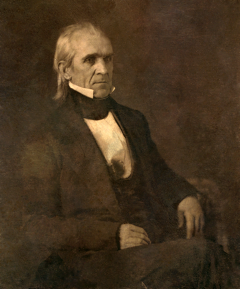
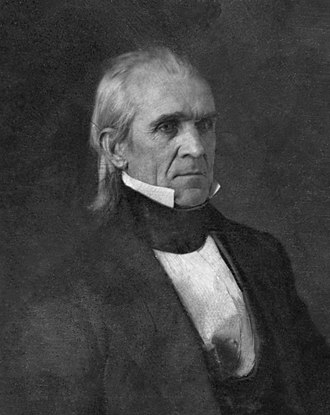
President James K. Polk confirmed to Congress that vast quantities of gold lay beneath California's soil, instantly transforming a remote frontier into a global magnet for fortune seekers. This official validation triggered a mass migration of nearly 300,000 people within four years, fundamentally altering the nation's demographics and accelerating California's admission as a state.
December 5, 1848
178 years ago
Key Figures & Places





What Else Happened on December 5
The first civil partnership registered in the UK wasn't some quiet registry office ceremony — it was a timed media event at midnight. Shannon Sickles and Grainn…
Cicero had already driven Catiline from Rome with three blistering speeches. But the conspirators left behind? Still plotting, still dangerous, still inside the…
Isidore of Seville was 73, nearly blind, and hadn't left his library in years. But he hauled himself to Toledo anyway. The council he presided over in 633 wasn'…
The bishops gathered in Toledo wanted one thing: to stop the chaos. For decades, Visigothic Spain had been ripping itself apart—kings murdered, nobles switching…
Charlemagne assumed sole control of the Frankish kingdom following the sudden death of his brother, Carloman. By consolidating these fractured territories under…
A massive earthquake shatters the Jordan Rift Valley on December 5, 1033, leveling cities across the Levant and spawning a devastating tsunami that drowns thous…
Talk to History
Have a conversation with historical figures who witnessed this era. Ask questions, explore perspectives, and bring history to life.