

Washington's Farewell to His Officers at Fraunces Tavern
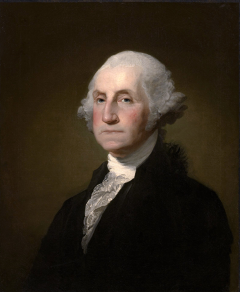
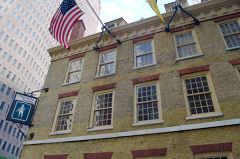
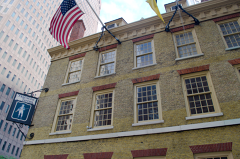
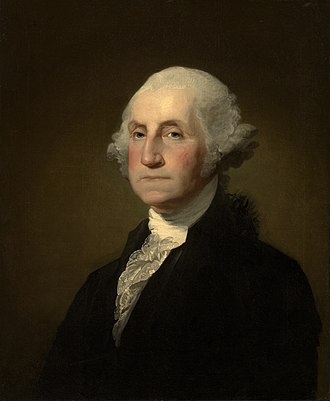
George Washington steps before his weary officers at New York's Fraunces Tavern to formally resign his commission and bid them farewell. This decisive act of relinquishing power cemented the precedent that the military serves the civilian government, preventing any slide toward dictatorship in the fragile new republic.
December 4, 1783
243 years ago
Key Figures & Places

What Else Happened on December 4
A Roman officer discovers his daughter has converted to Christianity. He locks her in a tower. She escapes, gets baptized, returns. He drags her before the pref…
Cerca de Basora tiene lugar la Batalla del Camello entre el califa Alí y la viuda de Mahoma, Aisha.

Carloman was 20 when he died. His widow fled immediately to Italy with their sons — she knew what was coming. Charlemagne absorbed his brother's kingdom before …
Emperor Otto I forced the election of the lay official Leo VIII to the papacy, asserting imperial control over the Roman Church. This move deposed the incumbent…
en Al-Ándalus es asesinado el visir de Córdoba, Ibn al-Qaṭṭā; quien había encabezado una conspiración para eliminar al caudillo al-Málik (hijo y sucesor de Alm…
King Baldwin I of Jerusalem captured the coastal city of Sidon with the support of a Norwegian fleet led by King Sigurd the Crusader. This victory secured a vit…
Talk to History
Have a conversation with historical figures who witnessed this era. Ask questions, explore perspectives, and bring history to life.