

Paulus Surrenders at Stalingrad: Hitler's Army Crushed in the Snow
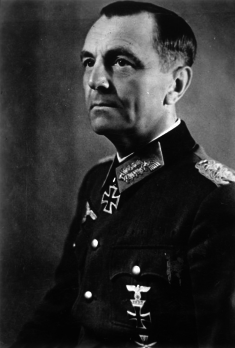
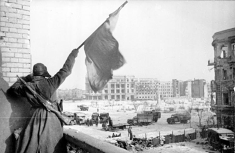
The frozen corpses of 250,000 German soldiers littered the streets. Paulus, the first German Field Marshal ever to surrender, walked into Soviet captivity with 91,000 remaining troops—a moment Hitler considered the ultimate betrayal. "A Field Marshal does not surrender," the Führer had raged. But Paulus was done. Starved, frostbitten, and decimated, the once-mighty Sixth Army had been ground to dust in the brutal Russian winter. Stalingrad wasn't just a battle. It was the moment Nazi military invincibility shattered forever.
January 31, 1943
83 years ago
Key Figures & Places



What Else Happened on January 31
A whisper of divine authority in a world still trembling from Constantine's recent Christian revolution. Sylvester didn't just inherit a church—he stepped into …
Silvester I ascended to the papacy, inheriting a church newly empowered by Emperor Constantine’s Edict of Milan. His long tenure oversaw the construction of the…
Blood splattered the frozen Swedish landscape. King Sverker thought he'd crush his young rival decisively—instead, Prince Eric's forces decimated his army in a …
mariage de la comtesse Béatrice de Provence avec Charles Ier d'Anjou, frère de Saint Louis.
The Mudéjar fighters knew their end was near. Cornered in Murcia after two years of resistance, they'd held out against impossible odds—defending a city where t…
Der Rat der Stadt Bern und Schultheiß Adrian I. von Bubenberg erteilen an Diebold Schilling den Älteren den Auftrag für eine Berner Chronik.
Talk to History
Have a conversation with historical figures who witnessed this era. Ask questions, explore perspectives, and bring history to life.