Guy Fawkes Executed: Gunpowder Plot Ends on Scaffold
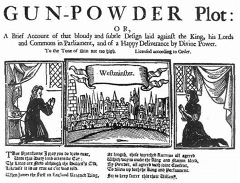
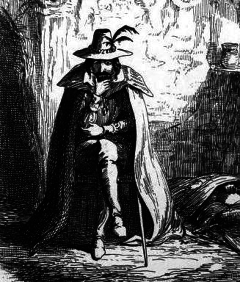
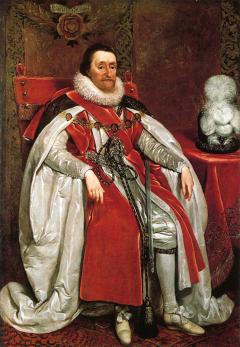
Guy Fawkes was dragged from the Tower of London to the Old Palace Yard at Westminster on January 31, 1606, and executed for high treason in the shadow of the very building he had tried to destroy. He was the last of the eight Gunpowder Plot conspirators to die that day, and by the time he reached the scaffold, he was so weakened by months of torture on the rack that he had to be helped up the ladder to the gallows. The sentence for treason in Jacobean England was hanging, drawing, and quartering—a procedure designed to inflict maximum suffering and public terror. The condemned was hanged until nearly dead, cut down while still conscious, disemboweled, castrated, and finally beheaded and cut into four pieces. Fawkes, whether by accident or a final act of defiance, managed to break his neck by jumping from the scaffold before the executioner could begin the disemboweling. It was the only mercy in a day of calculated brutality. His co-conspirators Ambrose Rookwood, Robert Keyes, Thomas Wintour, and four others had already undergone the full punishment. Fawkes had been arrested in the cellar beneath the House of Lords on the night of November 4-5, 1605, guarding 36 barrels of gunpowder. Under interrogation—initially resolute, he gave only the name "John Johnson"—he was tortured until his handwriting deteriorated from a firm signature to a barely legible scrawl. Over several days, he revealed the identities of his fellow conspirators, enabling the government to hunt them down across the English Midlands. The plot''s failure had consequences far beyond the fate of its participants. King James I imposed harsh new penal laws against English Catholics, barring them from practicing law, serving in the military, or voting. Catholic emancipation would not come until 1829—over two centuries later. Fawkes himself became the enduring symbol of the plot, his effigy burned on bonfires every November 5. In the 21st century, his image has been repurposed as a symbol of anti-establishment protest through the Guy Fawkes mask popularized by the film V for Vendetta, giving a failed 17th-century terrorist an unlikely second life as an icon of digital-age resistance.
January 31, 1606
420 years ago
Key Figures & Places
What Else Happened on January 31
Silvester I ascended to the papacy, inheriting a church newly empowered by Emperor Constantine’s Edict of Milan. His long tenure oversaw the construction of the…
A whisper of divine authority in a world still trembling from Constantine's recent Christian revolution. Sylvester didn't just inherit a church—he stepped into …
Blood splattered the frozen Swedish landscape. King Sverker thought he'd crush his young rival decisively—instead, Prince Eric's forces decimated his army in a …
The Mudéjar fighters knew their end was near. Cornered in Murcia after two years of resistance, they'd held out against impossible odds—defending a city where t…
France and Spain partitioned Italy through the Treaty of Lyon, formalizing French control over the north and Spanish authority in the south. This agreement ende…
France ceded the Kingdom of Naples to Aragon through the Treaty of Lyon, formally ending their territorial claims in Southern Italy. This surrender solidified S…
Talk to History
Have a conversation with historical figures who witnessed this era. Ask questions, explore perspectives, and bring history to life.