

Warren Commission Established: Investigating JFK's Assassination
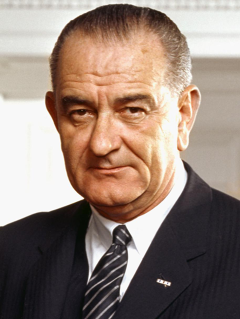
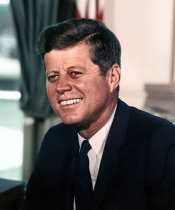
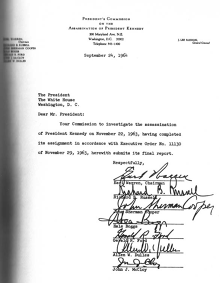
Lyndon B. Johnson established the Warren Commission to investigate the assassination of President John F. Kennedy, creating a federal body that would spend nine months gathering testimony and evidence. The commission's final report concluded that Lee Harvey Oswald acted alone, a finding that shaped public understanding of the tragedy for decades despite enduring controversy.
November 29, 1963
63 years ago
Key Figures & Places


What Else Happened on November 29
Antioch suffered its second devastating earthquake in just two years, killing thousands and reducing most of the city's remaining structures to rubble. The once…
Chlothar I spent decades clawing his kingdom back together — reuniting the fractured Franks under one crown for the first time in a generation. Then he died at …
Li Shimin's forces crush Xue Rengao's rebellion at the Battle of Qianshuiyuan, shattering the last major obstacle to his rise. This decisive victory clears the …
Carlos Magno chega a Roma para investigar os alegados crimes do Papa Leão III.
He didn't come to crown a pope. He came to put one on trial. Pope Leo III had been accused of adultery and perjury by his own Roman clergy — serious enough that…
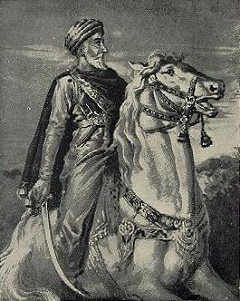
Muhammad ibn Sulayman al-Katib crushed the Qarmatian forces at the Battle of Hama, halting their expansion into the Levant. This victory secured the Abbasid Cal…
Talk to History
Have a conversation with historical figures who witnessed this era. Ask questions, explore perspectives, and bring history to life.