

Byrd Flies Over South Pole: Antarctic Aviation First
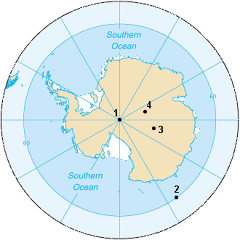
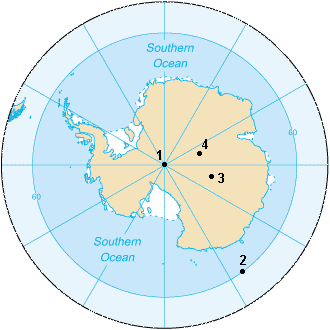
Commander Richard E. Byrd, navigator Bernt Balchen, radio operator Harold June, and photographer Ashley McKinley took off from the edge of the Ross Ice Shelf on November 29, 1929, in a Ford Trimotor named the Floyd Bennett. Roughly 18 hours later, they had become the first people to fly over the South Pole, completing one of the last great geographic firsts. Byrd had already claimed the first flight over the North Pole in 1926, though that achievement has been disputed by historians. The South Pole flight faced fewer questions but greater physical challenges. The route from the expedition's base, Little America, required crossing more than 800 miles of Antarctic terrain, including the 11,000-foot Transantarctic Mountains. The Ford Trimotor had a maximum altitude barely sufficient to clear the mountain passes. The critical moment came at the Liv Glacier. The heavily loaded plane could not gain enough altitude to clear the pass. Balchen circled repeatedly while the crew jettisoned emergency food to reduce weight. The Trimotor scraped over the ridge with terrifyingly little clearance. Once past the mountains, the flight to the Pole and back was relatively straightforward, though temperatures dropped to minus 30 degrees and navigation relied on dead reckoning over featureless white landscape. Byrd returned to a hero's welcome and a promotion to rear admiral. His expeditions established American claims in Antarctica and pioneered polar logistics that became critical during the Cold War. McMurdo Station, still the largest research base on the continent, sits near Little America. The flight proved that aviation could conquer even the planet's most forbidding geography, opening Antarctica to scientific exploration that continues today.
November 29, 1929
97 years ago
Key Figures & Places


What Else Happened on November 29
Antioch suffered its second devastating earthquake in just two years, killing thousands and reducing most of the city's remaining structures to rubble. The once…
Chlothar I spent decades clawing his kingdom back together — reuniting the fractured Franks under one crown for the first time in a generation. Then he died at …
Li Shimin's forces crush Xue Rengao's rebellion at the Battle of Qianshuiyuan, shattering the last major obstacle to his rise. This decisive victory clears the …
He didn't come to crown a pope. He came to put one on trial. Pope Leo III had been accused of adultery and perjury by his own Roman clergy — serious enough that…
Muhammad ibn Sulayman al-Katib crushed the Qarmatian forces at the Battle of Hama, halting their expansion into the Levant. This victory secured the Abbasid Cal…
A massive earthquake on November 29, 1114, shattered Crusader strongholds across the Levant, leveling key cities like Antioch, Mamistra, Marash, and Edessa. Thi…
Talk to History
Have a conversation with historical figures who witnessed this era. Ask questions, explore perspectives, and bring history to life.