

Mishima's Final Act: Suicide After Failed Coup
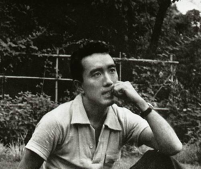
Yukio Mishima, Japan's most celebrated living novelist and a three-time Nobel Prize nominee, stood on a balcony of the Eastern Army headquarters in Tokyo and delivered a speech calling on Japan's Self-Defense Forces to overthrow the constitution. The soldiers below jeered and laughed. Mishima returned inside and committed seppuku, the ritualistic self-disembowelment of the samurai tradition, on November 25, 1970. He was 45 years old. Mishima had spent years preparing for this moment with a theatrical intensity that blurred the line between art and madness. He founded the Tatenokai, a private militia of about 100 young men dedicated to restoring the emperor's sovereign power and reviving Japan's martial spirit. On the morning of November 25, Mishima and four Tatenokai members entered the Ichigaya military base, barricaded themselves in the commandant's office, and demanded that troops assemble to hear Mishima speak. The speech was a disaster by any conventional measure. Mishima shouted over helicopter noise and soldier mockery for about seven minutes, calling for a coup to restore the emperor and abolish the post-war constitution. Not a single soldier responded to his call. Mishima had almost certainly expected this outcome. He returned to the commandant's office, knelt, and drove a short sword into his abdomen. His closest follower attempted three times to complete the ritual by decapitation before another member finished the act. The shock reverberated through Japanese culture for decades. Mishima left behind over 40 novels, 18 plays, and hundreds of essays. His final novel, "The Decay of the Angel," was delivered to his publisher the morning of his death. Whether his suicide was a sincere political act, a supreme artistic gesture, or the culmination of a long-standing death wish remains one of modern Japanese literature's most fiercely debated questions.
November 25, 1970
56 years ago
Key Figures & Places






What Else Happened on November 25
Servius Tullius paraded through Rome in a grand triumph after crushing the Etruscan forces, cementing his authority as the city’s sixth king. This victory allow…
The throne didn't pass son to son. It skipped sideways — through a daughter. Máel Coluim mac Cináeda died leaving no male heir, so his grandson Donnchad inherit…

A single shipwreck drowned the heir to the English throne and plunged a kingdom into two decades of civil war. The White Ship struck a submerged rock in the Eng…
Sixteen-year-old King Baldwin IV, suffering from advanced leprosy, led a surprise charge that shattered Saladin’s numerically superior army at Montgisard. This …
The wave hit without warning. One earthquake beneath the Tyrrhenian Sea, and Amalfi — once a maritime superpower rivaling Venice and Genoa — never recovered. Th…
King Minkhaung I ascended the throne of Ava, consolidating power over the fractured Irrawaddy Valley. His reign stabilized the kingdom against the persistent th…
Talk to History
Have a conversation with historical figures who witnessed this era. Ask questions, explore perspectives, and bring history to life.