

Last British Troops Leave NYC: The Revolution Is Truly Over
The final British troops evacuated New York City, physically ending the American Radical War just months after the Treaty of Paris sealed independence. This departure transformed the occupied metropolis into a sovereign American capital, allowing the new nation to finally govern its largest city without foreign military presence.
November 25, 1783
243 years ago
Key Figures & Places

Kingdom of Great Britain
Wikipedia

New York City
Wikipedia
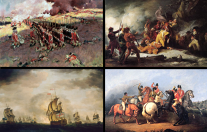
American Revolutionary War
Wikipedia
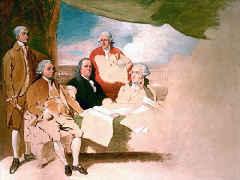
Treaty of Paris (1783)
Wikipedia

American Revolutionary War
Wikipedia

Evacuation Day (New York)
Wikipedia

Treaty of Paris (1783)
Wikipedia

American Revolution
Wikipedia

New York City
Wikipedia

United States
Wikipedia
What Else Happened on November 25
Servius Tullius paraded through Rome in a grand triumph after crushing the Etruscan forces, cementing his authority as the city’s sixth king. This victory allow…
Die Synode von Quierzy bekräftigt in einem Schreiben an den ostfränkischen Herrscher Ludwig den Deutschen die loyale Haltung der Bischöfe zum westfränkischen Kö…
le Viking Sigfried rencontre l'évêque Gozlin, le siège de Paris commence le lendemain.
The throne didn't pass son to son. It skipped sideways — through a daughter. Máel Coluim mac Cináeda died leaving no male heir, so his grandson Donnchad inherit…
البابا أوربان الثاني يدعو الأوروبيين إلى القيام بحملات عسكرية على الشرق العربي لحماية المقدسات المسيحية، والتي أصبحت فيما بعد تعرف بالحملات الصليبية.

The White Ship capsizes in the English Channel, killing William Adelin, the only legitimate son and heir of King Henry I. This disaster plunges England into a d…
Talk to History
Have a conversation with historical figures who witnessed this era. Ask questions, explore perspectives, and bring history to life.