Ruby Shoots Oswald: Kennedy Mystery Deepens
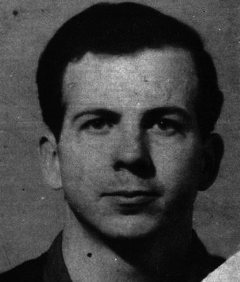
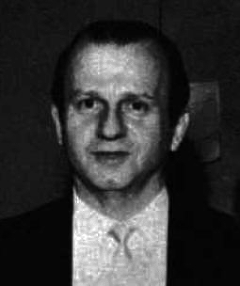
Two days after President Kennedy's assassination, millions of Americans watched live on television as nightclub owner Jack Ruby stepped from a crowd of reporters in the basement of Dallas police headquarters and shot Lee Harvey Oswald point-blank in the abdomen. Oswald, handcuffed between two detectives, crumpled with a groan. He died at Parkland Memorial Hospital, the same hospital where Kennedy had been pronounced dead 48 hours earlier. The killing occurred at 11:21 a.m. on November 24, 1963, during a routine prisoner transfer that had been announced to the press in advance. Dallas police had planned to move Oswald from the city jail to the county jail by armored car. Ruby, who operated two strip clubs in Dallas and had connections to both police officers and organized crime figures, entered the basement through a ramp that should have been secured. NBC was broadcasting the transfer live, making Oswald's murder the first killing ever witnessed in real time by a national television audience. Ruby claimed he acted out of grief and a desire to spare Jacqueline Kennedy the ordeal of an Oswald trial. He told reporters: "I'm Jack Ruby. You all know me." His explanation never satisfied the public. Ruby had visited the police station repeatedly during the weekend, mingling with officers and reporters. His organized crime ties, documented in the Warren Commission report and subsequent investigations, fueled speculation that he killed Oswald to silence him. Ruby was convicted of murder and sentenced to death. The conviction was overturned on appeal, but Ruby died of lung cancer on January 3, 1967, before his retrial. Oswald's death eliminated the possibility of a public trial that might have resolved questions about the assassination. Instead, those questions multiplied, and the image of Ruby lunging forward with his revolver became a permanent symbol of the chaos and doubt that engulfed Dallas that weekend.
November 24, 1963
63 years ago
Key Figures & Places
What Else Happened on November 24
Theodosius I entered Constantinople in a formal adventus, signaling his consolidation of power after years of military instability. By reclaiming the capital, h…
A massive earthquake leveled major urban centers across Syria, Iraq, and the Levant, shattering the infrastructure of Antioch, Damascus, and Mosul. The disaster…
Conrad of Montferrat secured his claim to the throne of Jerusalem by marrying Queen Isabella I, consolidating his authority over the remaining Crusader territor…
Isabella of Jerusalem wed Conrad of Montferrat at Acre, securing his claim to the throne during the height of the Third Crusade. This strategic union consolidat…
Genghis Khan defeated Khwarazmian prince Jalal al-Din at the Battle of the Indus on November 24, 1221, driving the last organized resistance to the Mongol invas…
Assassins attacked Polish Prince Leszek the White, Duke Henry the Bearded, and other Piast rulers while they bathed at an assembly in Gąsawa on November 24, 122…
Talk to History
Have a conversation with historical figures who witnessed this era. Ask questions, explore perspectives, and bring history to life.