

China Takes Its UN Seat: First PRC Delegation Arrives
China's representatives took their seats at the United Nations and the Security Council, instantly displacing the Republic of China delegation and reordering global diplomatic alliances. This shift forced Western powers to recalibrate their foreign policies toward Beijing while establishing the People's Republic as a permanent voice in international security decisions.
November 23, 1971
55 years ago
Key Figures & Places
People's Republic of China
Wikipedia
United Nations
Wikipedia
China
Wikipedia
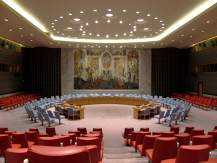
United Nations Security Council
Wikipedia

China and the United Nations
Wikipedia
China and the United Nations
Wikipedia

United Nations
Wikipedia

United Nations Security Council
Wikipedia

Boutros Boutros-Ghali
Wikipedia

Javier Pérez de Cuéllar
Wikipedia
January 1
Wikipedia

1992
Wikipedia
What Else Happened on November 23
Thespis of Icaria stepped out of the chorus to deliver solo lines, becoming the first recorded individual actor in Western theater. His innovation of dialogue b…
en Roma, la Lex Titia hace oficial el pacto por cinco años de gobierno común entre Marco Antonio, Octavio (heredero de Julio César) y Marco Emilio Lépido. Comie…

Charlemagne arrived in Rome to adjudicate charges of perjury and adultery against Pope Leo III, who had been physically attacked by his own clergy the previous …
Der Patriarch von Konstantinopel, Ignatios I., wird nach längeren Konflikten mit dem Regenten seines Amtes enthoben. Kaiser Michael III. und sein regierender On…
en España, Alfonso VI confirma una carta de donación de tierras hecha a su yerno, Enrique de Borgoña, conde de Portugal.
Saladin entered Damascus and absorbed the city into his growing domain without a fight. Control of this strategic prize gave him the power base to unify Muslim …
Talk to History
Have a conversation with historical figures who witnessed this era. Ask questions, explore perspectives, and bring history to life.