Gandhi Falls to Bullet: India Mourns Father of Nation
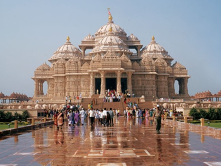
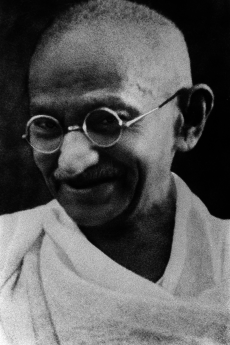
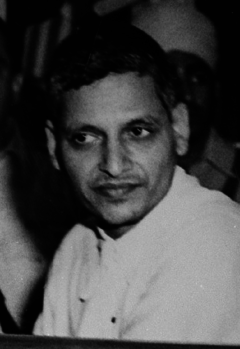
Three bullets from a Beretta M1934 pistol struck Mahatma Gandhi in the chest and abdomen at point-blank range as he walked to his evening prayer meeting in the garden of Birla House, New Delhi. Gandhi, 78 years old, fell immediately, reportedly uttering "He Ram" (Oh God) before dying. The date was January 30, 1948—five months and fifteen days after India had achieved the independence he had spent his life pursuing. The assassin was Nathuram Godse, a Hindu nationalist and member of the Rashtriya Swayamsevak Sangh (RSS), who blamed Gandhi for being too accommodating toward Muslims during the partition of India. Godse and his co-conspirator Narayan Apte believed that Gandhi''s insistence on Hindu-Muslim unity and his recent fast demanding that India pay Pakistan 55 crore rupees owed under the partition agreement constituted a betrayal of Hindu interests. Godse approached Gandhi in the crowd, bowed as if in greeting, and then fired three shots from less than three feet away. India was plunged into grief and shock. Prime Minister Jawaharlal Nehru addressed the nation by radio: "The light has gone out of our lives, and there is darkness everywhere." Gandhi''s body was cremated the following day at Raj Ghat on the banks of the Yamuna River; an estimated two million people lined the five-mile funeral procession route. The government declared thirteen days of national mourning. Within hours of the assassination, violent reprisals against Brahmins (Godse''s caste) erupted in Bombay and Pune, and the RSS was temporarily banned. Godse was tried, convicted, and executed by hanging on November 15, 1949, along with Apte. At his trial, Godse delivered a lengthy statement defending the assassination, which was suppressed by the Indian government for decades. Gandhi''s murder removed the one figure with the moral authority to bridge India''s communal divide, and the wound of his loss has never fully healed. His assassination—by a fellow Hindu, motivated by the very sectarianism he had fought against—remains the cruelest irony of India''s independence.
January 30, 1948
78 years ago
Key Figures & Places
What Else Happened on January 30
Two kingdoms, exhausted from decades of border skirmishes, finally exhaled. The Peace of Bautzen wasn't just ink on parchment—it was Bolesław the Brave of Polan…
Bolesław I the Brave secured his western borders by signing the Peace of Bautzen with Holy Roman Emperor Henry II. This treaty ended sixteen years of brutal war…
King Wareru seized power in Martaban, declaring independence from the crumbling Pagan Kingdom to establish the Hanthawaddy Kingdom. This bold break from central…
A wall of water rose without warning. Twelve-foot waves crashed through villages between Bristol and Wales, sweeping away entire communities in minutes. Farmers…
The Treaties of Munster and Osnabruck, signed on January 30, 1648, ended the Eighty Years' War by compelling Spain to formally recognize Dutch independence afte…
He walked out onto a scaffold wearing two shirts—one to prevent shivering in the cold, the other so nobody would mistake his trembling for fear. King Charles I,…
Talk to History
Have a conversation with historical figures who witnessed this era. Ask questions, explore perspectives, and bring history to life.