

Mexican Revolution Begins: Madero Calls for Uprising
Francisco I. Madero issued the Plan de San Luis Potosí to denounce President Porfirio Díaz and call for an armed uprising that immediately ignited the Mexican Revolution. This bold declaration shattered decades of Díaz's dictatorship, triggering a decade-long civil war that ultimately dismantled the old regime and reshaped Mexico's political landscape.
November 20, 1910
116 years ago
Key Figures & Places
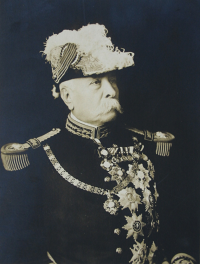
Porfirio Díaz
Wikipedia
revolution
Wikipedia
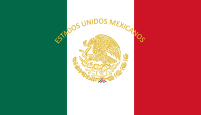
President of Mexico
Wikipedia
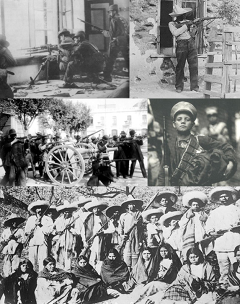
Mexican Revolution
Wikipedia
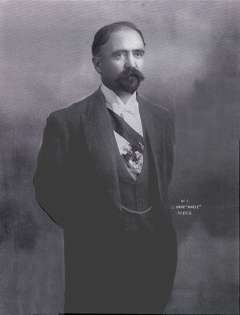
Francisco I. Madero
Wikipedia
Federal government of the United Mexican States
Wikipedia

Plan of San Luis Potosí
Wikipedia

Mexican Revolution
Wikipedia

Francisco I. Madero
Wikipedia

Plan of San Luis Potosí
Wikipedia

Porfirio Díaz
Wikipedia
Revolution
Wikipedia

Federal government of Mexico
Wikipedia

Línea 1 del Metro de la Ciudad de México
Wikipedia

Tacubaya (estación)
Wikipedia

Tlatelolco (estación)
Wikipedia

Hospital General (estación)
Wikipedia

Línea 3 del Metro de la Ciudad de México
Wikipedia

Liste des chefs d'État du Mexique
Wikipedia

History of Mexico
Wikipedia
What Else Happened on November 20

A soldier, not a senator. Diocletian climbed from humble Dalmatian origins — possibly born a slave's son — to command Rome's entire imperial machine in 284 AD. …
Der römische Beamte Johannes erklärt sich zum weströmischen Herrscher und beendet damit die dreimonatige kaiserlose Zeit nach dem Tod des Honorius. Der oströmis…
The deal Emperor Suzong struck was brutal: let the Huihe soldiers loot Luoyang for three days after victory. Three days. A city of hundreds of thousands, handed…
Emperor Henry VI stormed Palermo on Christmas Day, seizing the Sicilian crown through his wife Constance's claim. The conquest united the Holy Roman Empire with…
Henry VI, Holy Roman Emperor, conquered Palermo and claimed the Kingdom of Sicily through his wife Constance, uniting it with the Holy Roman Empire. The conques…
En los Países Bajos, una marea ciclónica supera las dunas costeras en Callantsoog (Den Helder), inundando partes del norte de Holanda, Frisia y Groninga.
Talk to History
Have a conversation with historical figures who witnessed this era. Ask questions, explore perspectives, and bring history to life.