

Nixon Declares I Am Not a Crook: Watergate Denial
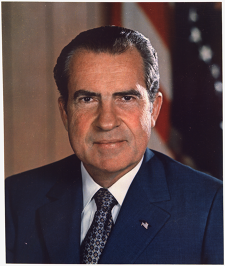
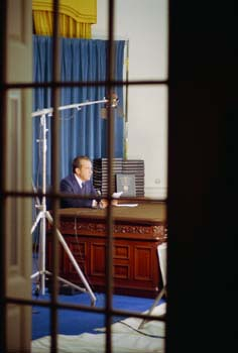
Richard Nixon told 400 Associated Press managing editors in Orlando that he was not a crook, yet this desperate denial only deepened public distrust and accelerated the congressional investigations that would hasten his resignation. The statement became a defining moment of political cynicism, branding the Watergate scandal as a permanent stain on American governance rather than a solvable crisis.
November 17, 1973
53 years ago
Key Figures & Places




What Else Happened on November 17
Roman soldiers proclaimed Diocletian emperor near Nicomedia, launching a reign that would pull the empire back from the brink of collapse. He split the empire i…
Emperor Leo I elevated his son-in-law Zeno to the rank of co-emperor, attempting to secure the succession of the Eastern Roman Empire. The move backfired when L…
He was seven years old. Leo II ruled the Byzantine Empire for ten months — technically — but his father Zeno handled everything. The boy emperor had crowned Zen…
Emperor Kammu abandoned the sprawling Buddhist monasteries of Nara, relocating the imperial capital to Heian-kyo, modern-day Kyoto. This shift broke the politic…
O imperador japonês Kammu muda de residência de Nara para Quioto.
Frankish magnates strip Emperor Charles the Fat of his throne at Frankfurt, fracturing the Carolingian unity he desperately tried to hold together. His nephew A…
Talk to History
Have a conversation with historical figures who witnessed this era. Ask questions, explore perspectives, and bring history to life.