Suez Canal Opens: World's Trade Routes Reshaped Forever
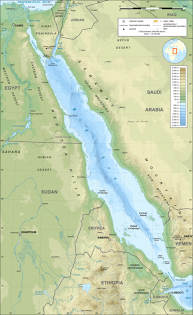
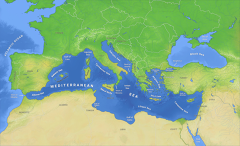
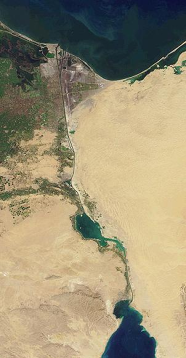
A flotilla of ships led by the French imperial yacht L'Aigle entered the northern entrance of the Suez Canal at Port Said and sailed south through the Egyptian desert, inaugurating a waterway that instantly redrew the map of global commerce. The 164-kilometer canal connecting the Mediterranean to the Red Sea eliminated the need to sail around the entire continent of Africa, cutting the sea route from London to Bombay by over 7,000 kilometers and reshaping the strategic calculus of every maritime power on Earth. The canal was the vision of Ferdinand de Lesseps, a French diplomat with more charisma than engineering knowledge. De Lesseps secured a concession from Egypt's ruler Said Pasha in 1854 and spent the next five years raising capital, mostly from French investors. Britain, which had the most to gain from a shortcut to India, opposed the project initially, fearing French control of a strategic chokepoint. The Ottoman Empire, Egypt's nominal overlord, also resisted. De Lesseps overcame these obstacles through relentless diplomacy and the personal support of Napoleon III. Construction took ten years, from 1859 to 1869, and cost the lives of tens of thousands of Egyptian forced laborers, a human toll that de Lesseps and his backers largely ignored. The early years relied on corvee labor, with Egyptian peasants conscripted in gangs of 20,000 to dig by hand. International pressure eventually ended the practice, and massive steam-powered dredgers and excavators completed the work. The opening ceremony was a lavish affair designed to project Franco-Egyptian prestige. Giuseppe Verdi was commissioned to write an opera for the occasion, though Aida was not completed in time and premiered two years later. Empress Eugenie of France led the procession aboard L'Aigle, followed by ships flying the flags of every major maritime nation.
November 17, 1869
157 years ago
Key Figures & Places

What Else Happened on November 17
Roman soldiers proclaimed Diocletian emperor near Nicomedia, launching a reign that would pull the empire back from the brink of collapse. He split the empire i…
Emperor Leo I elevated his son-in-law Zeno to the rank of co-emperor, attempting to secure the succession of the Eastern Roman Empire. The move backfired when L…
He was seven years old. Leo II ruled the Byzantine Empire for ten months — technically — but his father Zeno handled everything. The boy emperor had crowned Zen…
Emperor Kammu abandoned the sprawling Buddhist monasteries of Nara, relocating the imperial capital to Heian-kyo, modern-day Kyoto. This shift broke the politic…
Frankish magnates strip Emperor Charles the Fat of his throne at Frankfurt, fracturing the Carolingian unity he desperately tried to hold together. His nephew A…
The Taira clan navy crushed a Minamoto fleet at the Battle of Mizushima during Japan's Genpei War. The Taira used innovative tactics, lashing their ships togeth…
Talk to History
Have a conversation with historical figures who witnessed this era. Ask questions, explore perspectives, and bring history to life.