

Elizabeth I Becomes Queen: The Elizabethan Era Begins
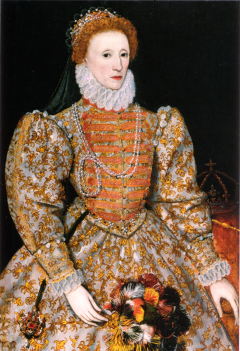
Queen Elizabeth I’s 1558 accession launched a golden age where Britannia first symbolized national pride through naval triumphs over Spain and a flourishing of Shakespearean theatre. This era delivered concrete prosperity, leaving England economically healthier and more expansive than at any point in the previous thousand years while settling religious conflicts that would later tear the nation apart.
November 17, 1558
468 years ago
Key Figures & Places
What Else Happened on November 17
Roman soldiers proclaimed Diocletian emperor near Nicomedia, launching a reign that would pull the empire back from the brink of collapse. He split the empire i…
Emperor Leo I elevated his son-in-law Zeno to the rank of co-emperor, attempting to secure the succession of the Eastern Roman Empire. The move backfired when L…
He was seven years old. Leo II ruled the Byzantine Empire for ten months — technically — but his father Zeno handled everything. The boy emperor had crowned Zen…
Emperor Kammu abandoned the sprawling Buddhist monasteries of Nara, relocating the imperial capital to Heian-kyo, modern-day Kyoto. This shift broke the politic…
O imperador japonês Kammu muda de residência de Nara para Quioto.
Frankish magnates strip Emperor Charles the Fat of his throne at Frankfurt, fracturing the Carolingian unity he desperately tried to hold together. His nephew A…
Talk to History
Have a conversation with historical figures who witnessed this era. Ask questions, explore perspectives, and bring history to life.