

Trans-Alaska Pipeline Signed Into Law: Oil Will Flow
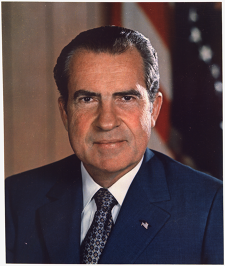
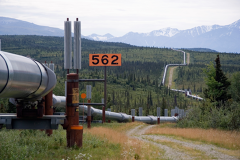
President Richard Nixon signed the Trans-Alaska Pipeline Authorization Act into law, clearing the legal path for a 800-mile steel artery to carve through frozen wilderness. This move immediately unleashed a massive industrial mobilization that delivered millions of barrels of oil to U.S. markets and fundamentally shifted American energy independence in the 1970s.
November 16, 1973
53 years ago
Key Figures & Places


What Else Happened on November 16
Der Gegenbischof Ursinus wird vom Stadtpräfekten aus Rom ausgewiesen und nach Gallien verbannt.
Emperor Justinian published the second and final revision of his legal code, the Codex Justinianus, consolidating 1,000 years of Roman law into a single systema…
en Roma, el emperador Justiniano promulga la revisión del Codex Justinianus.
بداية معركة القادسية بين المسلمين بقيادة سعد بن أبي وقاص والفرس بقيادة رستم فرخزاد، وبها انتهى عصر الساسانيين.
Emperor Li Jing dispatches ten thousand troops under Bian Hao to crush the Chu Kingdom, driving the entire ruling family into exile at his Nanjing capital. This…
He was 1,500 miles away when he became king. Edward I learned of Henry III's death while still in Sicily, returning from the Holy Land — and simply didn't rush …
Talk to History
Have a conversation with historical figures who witnessed this era. Ask questions, explore perspectives, and bring history to life.