Trotsky Expelled: Stalin Secures Total Soviet Control
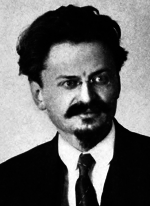
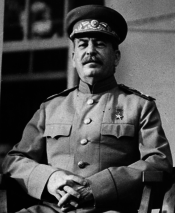
Leon Trotsky, the architect of the Red Army and co-leader of the Russian Revolution, was expelled from the Soviet Communist Party, completing Joseph Stalin's ruthless consolidation of total power. The man who had stood beside Lenin during the October Revolution and commanded the military forces that won the Russian Civil War was now officially a non-person in the state he helped create. The power struggle between Stalin and Trotsky had consumed Soviet politics since Lenin's death in 1924. The two men represented fundamentally different visions of communism. Trotsky championed permanent revolution, arguing that socialism could only survive through global expansion. Stalin countered with "socialism in one country," a more pragmatic doctrine that prioritized building Soviet strength at home. The ideological debate masked a raw contest for personal dominance. Stalin outmaneuvered Trotsky methodically. As General Secretary, he controlled party appointments and built a patronage network that Trotsky, brilliant but politically clumsy, could not match. Stalin formed shifting alliances, first with Zinoviev and Kamenev against Trotsky, then turning on his former allies once Trotsky was isolated. By 1927, Trotsky had been stripped of every official position. The expulsion from the party was the penultimate step. In January 1928, Trotsky was exiled to Alma-Ata in Soviet Central Asia. A year later he was deported from the Soviet Union entirely, beginning a wandering exile through Turkey, France, Norway, and finally Mexico. Stalin's victory had consequences far beyond one man's fate. With Trotsky gone, there was no remaining figure of sufficient stature to challenge Stalin's authority. The purges, show trials, and forced collectivization that killed millions in the 1930s proceeded without meaningful opposition from within the party. Trotsky himself was assassinated by a Soviet agent in Mexico City in 1940, an ice axe driven into his skull.
November 12, 1927
99 years ago
Key Figures & Places

What Else Happened on November 12
Tibetan forces seized the Tang Dynasty capital of Chang'an, forcing Emperor Daizong to flee the city for two weeks. This brief occupation exposed the fragility …
Thirteen-year-old Lothair III ascended to the West Frankish throne at the Abbey of Saint-Remi, securing a fragile Carolingian hold on power during a period of i…
Constantine VIII had one problem: he was dying with no male heir. His solution? Force his daughter Zoe — already in her late forties — to marry a startled noble…
Wallachian Voivode Basarab I lured the retreating Hungarian army into a mountain pass and destroyed it in a devastating ambush. The victory at Posada secured Wa…
The English Parliament granted Plymouth its official status as the first incorporated town in 1439. This legal recognition empowered local leaders to manage the…
Parliament repealed the anti-papal laws of Henry VIII, formally reconciling England with the Roman Catholic Church under Queen Mary I. This legislative reversal…
Talk to History
Have a conversation with historical figures who witnessed this era. Ask questions, explore perspectives, and bring history to life.