

Bush Coins Axis of Evil: Iraq, Iran, North Korea Named
The phrase "Axis of Evil" landed like a diplomatic grenade. Bush's three-word soundbite transformed geopolitical conversation overnight, painting these nations as a monolithic threat despite their profound differences. Intelligence agencies winced. Diplomats scrambled. And somewhere in the White House speechwriting room, a young staffer knew he'd just coined a term that would echo through the next decade of foreign policy. Three nations. Zero nuance. Pure rhetorical muscle.
January 29, 2002
24 years ago
Key Figures & Places

United States
Wikipedia
President of the United States
Wikipedia

North Korea
Wikipedia

State of the Union address
Wikipedia
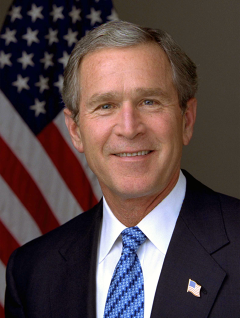
George W. Bush
Wikipedia

Iraq
Wikipedia

Iran
Wikipedia
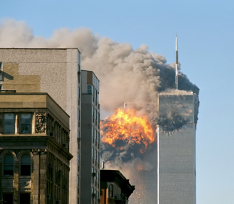
terrorism
Wikipedia

Axis of evil
Wikipedia

2002 State of the Union Address
Wikipedia
George W. Bush
Wikipedia

Terrorism
Wikipedia

Axis of evil
Wikipedia

Ba'athist Iraq
Wikipedia

Iran
Wikipedia

North Korea
Wikipedia

Gulf War
Wikipedia

Battle of Khafji
Wikipedia

Saudi Arabia
Wikipedia

Minister of the Armed Forces (France)
Wikipedia

Jean-Pierre Chevènement
Wikipedia

Pierre Joxe
Wikipedia
Selección de fútbol de Arabia Saudita
Wikipedia
كأس الخليج العربي 15
Wikipedia
أحمد الفريدي
Wikipedia

Association football
Wikipedia
وائل الحربي
Wikipedia
عبد الوهاب بن محمد الفيروز
Wikipedia
عبد الله الصريخ
Wikipedia
What Else Happened on January 29
Nach dem Tod seines Großvaters Leo I. wird Leo II. zum Kaiser des Oströmischen Reichs gekrönt. Da er noch minderjährig ist, wird sein Vater, der Isaurier Tarasi…
The bloodiest rebellion in Chinese history ended with a son's blade. An Lushan - who'd killed hundreds of thousands and nearly toppled the Tang Dynasty - was st…
Sergius III seized the papacy by force, ousting the antipope Christopher and ordering his predecessor’s execution. This violent power grab solidified the influe…
Mu'izz al-Dawla didn't just want power—he wanted to make a statement. Blinding the sitting Caliph al-Mustakfi was a brutal medieval political ritual, rendering …
en Vietnam ―en el marco de la primera invasión mongola― Đại Việt derrota a los mongoles en la batalla de Đông Bộ Đầu, obligándolos a retirarse de sus tierras.
en Londres se estrena la tragedia Romeo y Julieta, escrita por William Shakespeare.
Talk to History
Have a conversation with historical figures who witnessed this era. Ask questions, explore perspectives, and bring history to life.