Arafat Dies: Abbas Takes Palestinian Leadership
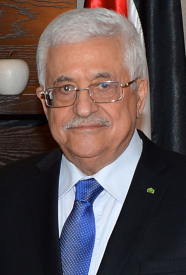
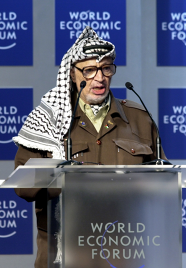
Yasser Arafat, the man who had personified Palestinian nationalism for four decades, was confirmed dead by the Palestine Liberation Organization, closing a chapter of Middle Eastern history defined by guerrilla warfare, diplomatic transformation, and unfulfilled statehood. Within minutes of the announcement, Mahmoud Abbas was elected PLO chairman, inheriting a leadership position that carried enormous symbolic weight but diminished practical power. Arafat had been airlifted from his besieged compound in Ramallah to a French military hospital two weeks earlier, suffering from a mysterious illness that his doctors could not definitively diagnose. He fell into a coma on November 3 and never regained consciousness. The precise cause of death became one of the Middle East's enduring controversies. Palestinian officials suspected poisoning, and a 2012 Swiss forensic report found elevated levels of polonium-210 on his personal effects, though subsequent French and Russian investigations reached conflicting conclusions. Born in 1929 to Palestinian parents in Cairo, Arafat co-founded Fatah in the late 1950s and took control of the PLO in 1969. He led the organization through decades of armed struggle, airline hijackings, and diplomatic evolution. The 1993 Oslo Accords transformed him from international pariah to Nobel Peace Prize laureate, sharing the award with Israeli leaders Yitzhak Rabin and Shimon Peres. By the time of his death, the peace process he helped create had collapsed. The Second Intifada had raged since 2000, and Israeli forces had confined Arafat to his Ramallah headquarters for over two years, destroying most of the compound around him. His ability to govern the Palestinian Authority had been severely diminished. Abbas took the reins of a fractured movement. The transition was orderly but could not paper over deep divisions between Fatah and Hamas that would split Palestinian governance within three years.
November 11, 2004
22 years ago
Key Figures & Places
What Else Happened on November 11
Four Roman emperors walked into a conference and none of them left happy. At Carnuntum — a military camp on the Danube — Diocletian himself came out of retireme…
Constantine VIII's death after sixty-six years on the throne triggered a chaotic succession crisis that plunged the Byzantine Empire into instability. His daugh…
She changed her name to get married. Born Edith, she took the name Matilda the day Henry I slipped a crown on her head, likely to sound less foreign to Norman e…
She wasn't just a Scottish princess — she was a political masterstroke in a veil. Henry I needed legitimacy after seizing the English throne while his brother R…
Pope Innocent III didn't just host a meeting — he orchestrated the largest church council in medieval history, pulling 1,200 bishops and abbots to Rome. And out…
Louis XII of France and Ferdinand II of Aragon signed the Treaty of Granada on November 11, 1500, agreeing to divide the Kingdom of Naples between themselves an…
Talk to History
Have a conversation with historical figures who witnessed this era. Ask questions, explore perspectives, and bring history to life.