

Kaprun Cable Car Fire Kills 155 Skiers in the Austrian Alps
A fire erupted inside a funicular tunnel at the Kaprun ski resort in Austria, trapping 155 skiers and snowboarders in a burning cable car with no emergency exits. Only 12 people survived by fleeing downhill through toxic smoke, and the disaster exposed fatal flaws in alpine tunnel safety that forced a complete overhaul of European ski-lift regulations.
November 11, 2000
26 years ago
Key Figures & Places

Austria
Wikipedia
fire
Wikipedia
tunnel
Wikipedia
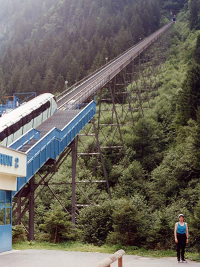
Kaprun disaster
Wikipedia
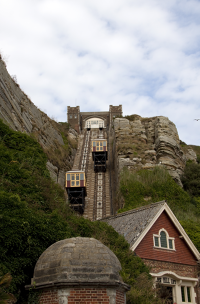
Funicular
Wikipedia
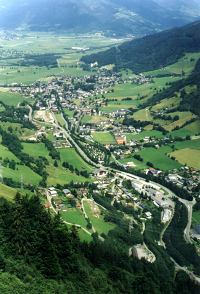
Kaprun
Wikipedia

Kaprun disaster
Wikipedia

Funicular
Wikipedia

Kaprun
Wikipedia

Salzburgo
Wikipedia

Austria
Wikipedia

Dürnstein
Wikipedia

Napoleonic Wars
Wikipedia

Battle of Dürenstein
Wikipedia
Funiculaire de Kaprun
Wikipedia

Gletscherbahn Kaprun
Wikipedia

Kitzsteinhorn
Wikipedia

Germany
Wikipedia

Liechtenstein
Wikipedia

Luxembourg
Wikipedia

Switzerland
Wikipedia

Carnival
Wikipedia
What Else Happened on November 11
second triumvirat de gouvernance romaine scellé à Bologne avec Octave le futur premier empereur Auguste par Marc Antoine et Lépide à l'initiative de ces dernier…
Four Roman emperors walked into a conference and none of them left happy. At Carnuntum — a military camp on the Danube — Diocletian himself came out of retireme…
el emirato de Córdoba derrota a los vikingos en la batalla de Tablada.
Arnulf von Kärnten wird nach einem Machtkampf mit Karl dem Dicken neuer König im Ostfrankenreich.
Constantine VIII's death after sixty-six years on the throne triggered a chaotic succession crisis that plunged the Byzantine Empire into instability. His daugh…
en Tabriz (Irán) sucede un terremoto que deja entre 40 000 y 50 000 víctimas. (Ver Terremotos importantes entre el siglo X y el XIX).
Talk to History
Have a conversation with historical figures who witnessed this era. Ask questions, explore perspectives, and bring history to life.