

Sesame Street Premieres: Can You Tell Me How to Get There?
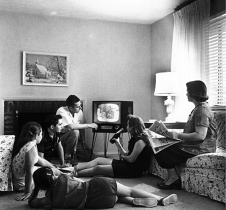
Joan Ganz Cooney and Lloyd Morrisett harnessed the addictive power of television to prepare young children for school, launching Sesame Street on November 10, 1969. This new program became the first preschool show to base its entire production on rigorous laboratory research, earning immediate high ratings and adulatory reviews. Its success spawned twenty international versions and broadcast reach across over 120 countries by its fortieth anniversary.
November 10, 1969
57 years ago
Key Figures & Places




What Else Happened on November 10
según los cálculos del arzobispo anglicano irlandés James Ussher (1581‑1656), basado en las cronologías del Libro del génesis (de la Biblia), el lunes 10 de nov…
Emperor Leo II died after just ten months on the throne, compelling his father Zeno to reclaim sole rule over the Byzantine Empire. This sudden succession stabi…
Rund sechs Wochen nach dem Tod von Ludwig dem Kind wird Konrad der Jüngere in Forchheim zum König des Ostfrankenreichs gewählt.
Li Bian seizes power from Emperor Yang Pu, dissolving the Wu State to establish Southern Tang under his new name Xu Zhigao. This usurpation ends a fragile dynas…
Catholics besieging Catholics. Pope Innocent III had written directly, threatening to cut every soldier off from the Church — and they did it anyway. The Veneti…
A man who'd been hunted, nearly killed, and forced to hide in a jungle village now sat on the throne of what would become Southeast Asia's most powerful empire.…
Talk to History
Have a conversation with historical figures who witnessed this era. Ask questions, explore perspectives, and bring history to life.