UN Condemns Apartheid: Global Pressure on South Africa
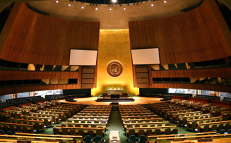
The United Nations General Assembly passed Resolution 1761 on November 6, 1962, condemning South Africa's apartheid policies and calling on member states to sever diplomatic and economic ties with the regime. The vote, 67 in favor to 16 against with 23 abstentions, marked the first time the body had moved beyond debate to demand concrete action against racial segregation that had governed South Africa since 1948. Apartheid was not improvised bigotry but an elaborate legal architecture. The Population Registration Act classified every South African by race. The Group Areas Act dictated where each race could live. The Bantu Education Act designed an inferior school curriculum for Black students. Pass laws required Black South Africans to carry identification documents at all times and restricted their movement. Interracial marriage and sexual relations were criminalized. The General Assembly's patience had been exhausted by the Sharpeville massacre of March 21, 1960, when police opened fire on unarmed protesters demonstrating against pass laws, killing 69 and wounding 180, most shot in the back as they fled. The massacre shocked the world. South Africa's response was to declare a state of emergency, ban the African National Congress and Pan Africanist Congress, and arrest thousands. Resolution 1761 recommended diplomatic, economic, and transportation sanctions, but the General Assembly lacked enforcement power. The Security Council, where Britain, France, and the United States held vetoes, blocked binding measures for decades, protecting trade relationships with Pretoria. The resolution nonetheless established the international legal and moral framework that sustained the anti-apartheid movement for the next three decades. Voluntary sanctions, arms embargoes, and cultural boycotts intensified until the release of Nelson Mandela in 1990 and the dismantling of apartheid that followed.
November 6, 1962
64 years ago
Key Figures & Places
What Else Happened on November 6
Constantius II handed power to a man he genuinely expected to fail. Julian was a bookish scholar, barely tested, given Gaul almost as a placeholder — someone co…
A powerful earthquake destroyed large sections of the Walls of Constantinople, toppling 57 towers and leaving the city exposed. The Byzantine government mobiliz…
Emperor Otto I convened the Synod of Rome on November 6, 963, deposing Pope John XII on charges of armed rebellion and moral misconduct. The pope had crowned Ot…
King Henry III seals the Charter of the Forest at St Paul's Cathedral, restoring free men's access to royal lands that William the Conqueror and his heirs had r…
He didn't arrive with flags or fanfare. Cabeza de Vaca washed ashore half-dead, part of a doomed expedition that lost 600 men to storms, disease, and disaster. …
He was winning. Gustavus Adolphus had just shattered Imperial lines at Lützen when fog swallowed him whole — and somewhere in that chaos, Sweden's king took a b…
Talk to History
Have a conversation with historical figures who witnessed this era. Ask questions, explore perspectives, and bring history to life.