Plutonium First Made: The Path to Nagasaki
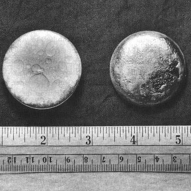
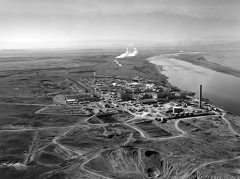
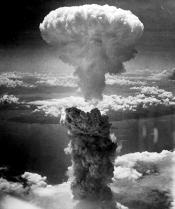
The B Reactor at the Hanford Engineer Works in southeastern Washington began producing weapons-grade plutonium on November 6, 1944, solving the most critical bottleneck in the Manhattan Project and enabling the bomb that would destroy Nagasaki nine months later. The reactor, designed by Enrico Fermi and built by DuPont, was the world's first full-scale nuclear reactor, a graphite-moderated, water-cooled system that transmuted uranium-238 into plutonium-239 through neutron bombardment. Hanford was selected in January 1943 for its isolation, access to the Columbia River for cooling, and hydroelectric power from Grand Coulee and Bonneville dams. The Army Corps of Engineers displaced roughly 1,500 residents from the towns of Hanford, White Bluffs, and Richland. Construction employed over 50,000 workers who built three reactors and massive chemical separation plants across a 586-square-mile reservation. The B Reactor nearly failed on its first day. After reaching criticality on September 26, 1944, the reactor mysteriously shut itself down and restarted in a repeating cycle. Fermi and physicist John Wheeler diagnosed the problem as xenon-135 poisoning, a fission product that absorbed neutrons and suppressed the chain reaction. DuPont engineers had installed extra fuel channels as a safety margin. Loading additional uranium slugs into these channels provided enough reactivity to overcome the poisoning. The plutonium was chemically separated in enormous processing canyons, purified, and shipped to Los Alamos, where it was fashioned into the core of the Fat Man implosion bomb. The environmental legacy was severe: decades of production released enormous quantities of radioactive waste into the soil and the Columbia River, creating the most contaminated nuclear site in the Western Hemisphere.
November 6, 1944
82 years ago
Key Figures & Places
What Else Happened on November 6
Constantius II handed power to a man he genuinely expected to fail. Julian was a bookish scholar, barely tested, given Gaul almost as a placeholder — someone co…
A powerful earthquake destroyed large sections of the Walls of Constantinople, toppling 57 towers and leaving the city exposed. The Byzantine government mobiliz…
Emperor Otto I convened the Synod of Rome on November 6, 963, deposing Pope John XII on charges of armed rebellion and moral misconduct. The pope had crowned Ot…
King Henry III seals the Charter of the Forest at St Paul's Cathedral, restoring free men's access to royal lands that William the Conqueror and his heirs had r…
He didn't arrive with flags or fanfare. Cabeza de Vaca washed ashore half-dead, part of a doomed expedition that lost 600 men to storms, disease, and disaster. …
He was winning. Gustavus Adolphus had just shattered Imperial lines at Lützen when fog swallowed him whole — and somewhere in that chaos, Sweden's king took a b…
Talk to History
Have a conversation with historical figures who witnessed this era. Ask questions, explore perspectives, and bring history to life.