

Castro Takes Cuba: Batista Flees on New Year's Eve
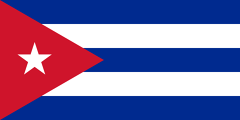
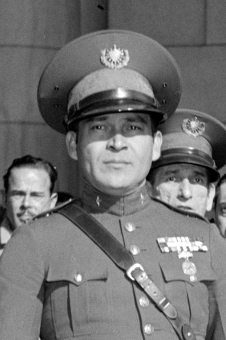
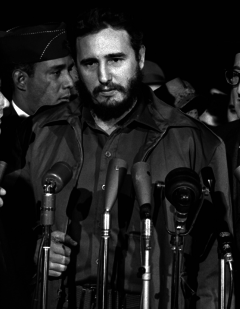
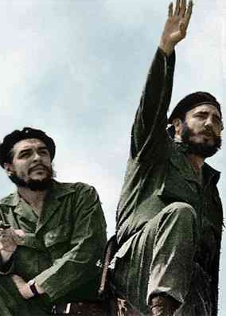
Batista packed a plane and ran. New Year's Day, 1959. He'd looted an estimated $300 million from Cuba's treasury, and his army had simply stopped fighting — not because Castro's guerrillas won any decisive battle, but because the soldiers quit believing in the cause they were killing for. Fidel Castro's 26th of July Movement had spent two years in the Sierra Maestra mountains, outnumbered and outgunned, building something more dangerous than a conventional army: a popular revolution. Batista's own generals read the room and refused to keep shooting. And Castro didn't even reach Havana until January 8, riding in on a tank while crowds pressed against the roads. Within two years Cuba nationalized every American-owned business on the island and turned to Moscow. Bay of Pigs followed. Then the Missile Crisis. The Cold War's most dangerous thirteen days all trace back to one dictator deciding he'd rather be rich in exile than dead in the presidential palace.
January 1, 1959
67 years ago
Key Figures & Places
What Else Happened on January 1
Roman consuls began their year in office on January 1 for the first time in 153 BC. Before that, they'd taken power on March 15. The change happened because Rom…
el cónsul Cayo Mario celebra el triunfo romano en la Guerra de Yugurta sobre Yugurta, el rey de los númidas, que será ejecutado una semana después en la prisión…
The Julian calendar takes effect as the civil calendar of the Roman Empire, establishing January 1 as the new date of the new year. That was -45.
The Roman Senate posthumously deifies Julius Caesar. That was -42.
en Roma, Calígula inaugura el segundo consulado: lo ejercerá durante 30 días.
The Roman legions in Germania Superior refuse to swear loyalty to Galba. They rebel and proclaim Vitellius as emperor. That was 69.
Talk to History
Have a conversation with historical figures who witnessed this era. Ask questions, explore perspectives, and bring history to life.