

Howard Carter Finds Tut's Tomb: The Most Famous Discovery in Archaeology
Howard Carter and his team burst through a sealed doorway to reveal the untouched entrance to Pharaoh Tutankhamun's tomb, instantly transforming Egyptology from dusty speculation into a tangible reality. This discovery flooded museums with an unprecedented trove of artifacts, fundamentally transforming global understanding of ancient Egyptian burial practices and sparking a worldwide frenzy over the boy king's legacy.
November 4, 1922
104 years ago
Key Figures & Places

United Kingdom
Wikipedia

Egypt
Wikipedia
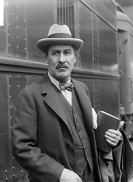
Howard Carter (archaeologist)
Wikipedia
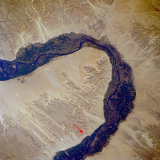
Valley of the Kings
Wikipedia
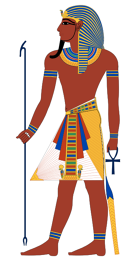
Pharaoh
Wikipedia
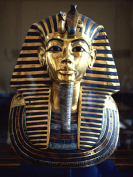
Tutankhamun
Wikipedia
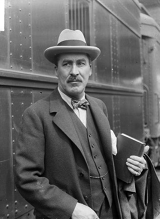
Howard Carter
Wikipedia

Howard Carter
Wikipedia

Tutankhamun
Wikipedia

Valley of the Kings
Wikipedia

Luxor
Wikipedia

Egypt
Wikipedia

tomb of Pharaoh Tutankhamun
Wikipedia

Pharaoh
Wikipedia

محمد حماقي
Wikipedia

محمد الطوخي (ممثل)
Wikipedia

Valentine's Day
Wikipedia
What Else Happened on November 4
Riots erupt in Constantinople as citizens, enraged by Emperor Anastasius' removal of Chalcedonian patriarchs and liturgical shifts, attempt to crown Areobindus …
se inicia el XIII Concilio de Toledo.
The water rose so fast that horses drowned inside their stables. Giovanni Villani watched Florence drown in 1333, scribbling furiously as the Arno swallowed bri…
Paganino Doria's Genoese fleet annihilates Niccolò Pisani's entire Venetian armada at the Battle of Sapienza, seizing every ship in a single day. This crushing …
sacre de Charles VI comme roi de France.
Joan of Arc led a successful assault on Saint-Pierre-le-Moutier despite being initially repulsed and nearly abandoned by her own troops. According to her compan…
Talk to History
Have a conversation with historical figures who witnessed this era. Ask questions, explore perspectives, and bring history to life.