

Erie Canal Completed: Wedding of the Waters in New York
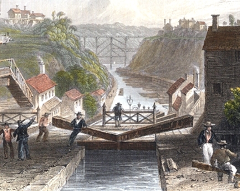
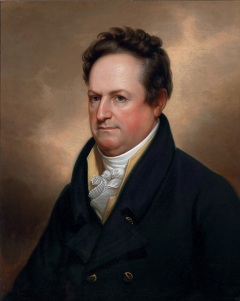
Governor DeWitt Clinton poured Lake Erie water into New York Harbor in the "Wedding of the Waters" ceremony, marking the Erie Canal's completion after eight years of construction. The 363-mile waterway slashed shipping costs by 95 percent and transformed New York City into America's commercial capital.
November 4, 1825
201 years ago
Key Figures & Places

What Else Happened on November 4
Riots erupt in Constantinople as citizens, enraged by Emperor Anastasius' removal of Chalcedonian patriarchs and liturgical shifts, attempt to crown Areobindus …
se inicia el XIII Concilio de Toledo.
The water rose so fast that horses drowned inside their stables. Giovanni Villani watched Florence drown in 1333, scribbling furiously as the Arno swallowed bri…
Paganino Doria's Genoese fleet annihilates Niccolò Pisani's entire Venetian armada at the Battle of Sapienza, seizing every ship in a single day. This crushing …
sacre de Charles VI comme roi de France.
Joan of Arc led a successful assault on Saint-Pierre-le-Moutier despite being initially repulsed and nearly abandoned by her own troops. According to her compan…
Talk to History
Have a conversation with historical figures who witnessed this era. Ask questions, explore perspectives, and bring history to life.